On paper, the e-reader should be extinct. Your phone carries every book ever digitized, your tablet has a bigger screen, and both are already in your bag. A single-purpose gadget that only displays text sounds like exactly the kind of device the smartphone was supposed to kill. And yet e-readers refuse to die, and the people who own them tend to defend them with surprising passion. That passion is a clue. The e-reader survives because it does one thing not just adequately but better than any multipurpose device, and because the things it cannot do turn out to be its greatest feature. Here is an honest verdict on whether one belongs in your life.
The Screen Is the Whole Argument
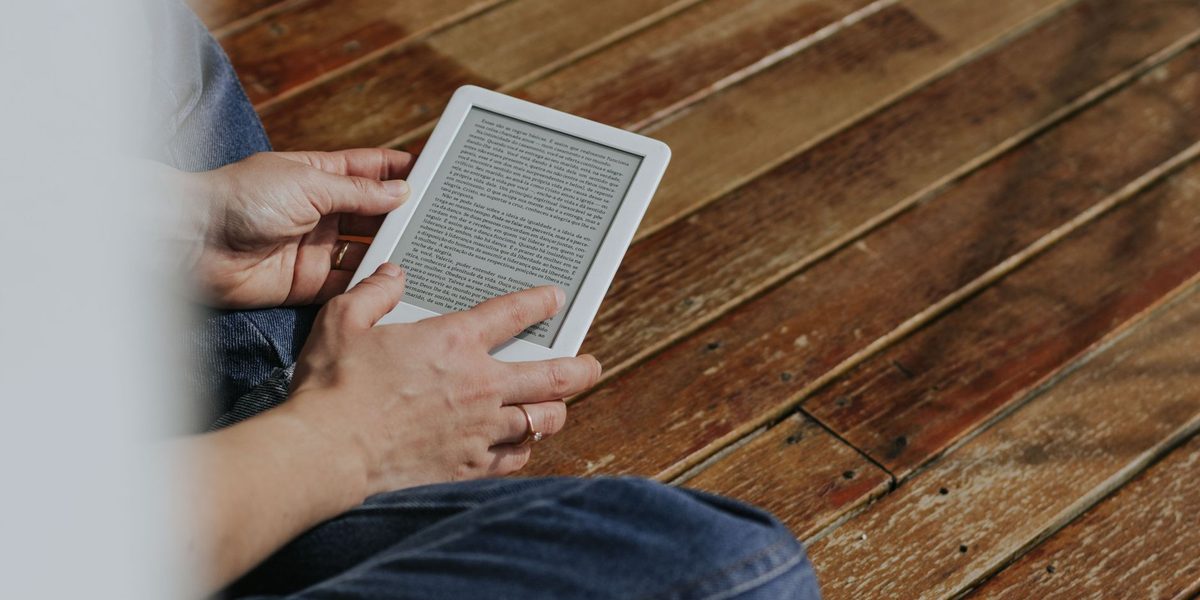
Everything starts with the display. E-readers use electronic paper, a screen technology that reflects ambient light the way a printed page does instead of shining light into your eyes the way phones and tablets do. The practical differences are enormous. Text looks crisp and stable, glare in sunlight is a non-issue rather than a dealbreaker, and long sessions feel closer to reading a paperback than staring at a monitor. People who get headaches or tired eyes after an hour of tablet reading routinely find they can read on electronic paper for entire afternoons.
Modern models add a front light that illuminates the screen surface gently rather than blasting light outward, and warmer light tones for nighttime reading. The result is a device equally comfortable on a sunny porch and in a dark bedroom, which is a combination no phone or tablet screen manages gracefully.
Distraction-Free Is a Feature, Not a Limitation
The strongest case for an e-reader has nothing to do with hardware. A phone is a slot machine that happens to contain books. Every reading session competes with messages, feeds, and the reflexive twitch toward other apps, and study after study of personal experience says the phone usually wins. An e-reader cannot tempt you with anything. No notifications, no browser worth using, no feeds. When the only thing a device can do is display the book, you read the book.
Owners consistently report reading dramatically more after buying one, and this behavioral shift, not the screen, is what they are really describing when they call the purchase life-changing. If you have spent years intending to read more while your phone quietly ate the time, the e-reader is less a gadget than an intervention. It is one of the few purchases in tech where the honest pitch is that it does less, on purpose, for your benefit.
Battery Life You Stop Thinking About
Electronic paper only draws meaningful power when the page changes, so e-readers measure battery life in weeks rather than hours. In practice you charge the device the way you water a hardy houseplant: occasionally, when you happen to remember. This matters more than it sounds. Vacation reading does not require packing a charger. A bedside reader is always ready. There is no battery anxiety layered onto a hobby that is supposed to be relaxing, and no nightly charging chore added to your routine.
The long battery also changes where the device can live. An e-reader can stay in a travel bag, a nightstand drawer, or a cottage bookshelf for a month and be ready the moment you pick it up, something no phone or tablet manages. That grab-and-go reliability quietly increases how often you read, because the device never adds a step between the impulse and the page.
What an E-Reader Is Genuinely Bad At
Fairness requires the full list of weaknesses, because they are real:
- Anything visual: comics, graphic novels, textbooks, cookbooks, and heavily illustrated nonfiction suffer on grayscale screens and modest sizes. A tablet is simply better for image-rich reading.
- Sluggish interfaces: page turns are fine, but menus, typing, and store browsing feel slow compared to a phone. You feel the difference every time you leave the page.
- Ecosystem friction: getting books from outside a device's native store ranges from easy to genuinely annoying depending on the model, and library borrowing workflows vary. Worth researching before you commit to a device family.
- One more thing to carry: the phone's unbeatable advantage remains presence. The e-reader you left at home reads nothing.
None of these flaws matter much for the core use case of novels and text-first nonfiction, but if your reading diet is mostly visual or scattered across formats, the weaknesses move to the center of the picture.
E-Reader or Tablet for Reading?
The tablet comparison deserves a direct answer. A tablet is the better device overall; it does a hundred things the e-reader cannot. But for the specific act of long-form reading, the e-reader wins on eye comfort, weight, sunlight, battery, and focus, and it is not close. Tablets are heavy enough that holding one for a two-hour reading session becomes a wrist exercise, their screens wash out outdoors, and their app grids sit one swipe away from ending your reading session prematurely.
The honest framing: buy a tablet if reading is one of many things you want the device for. Buy an e-reader if you want to read more books than you currently do. Those are different problems, and each device solves exactly one of them well.
Who Should Buy One, and Who Should Skip It
An e-reader earns its keep for anyone who reads, or genuinely wants to read, more than a couple of books a year in text-heavy formats. It is especially strong for commuters, travelers, beach and pool readers, bedtime readers sharing a room with a sleeping partner, and anyone whose eyes protest backlit screens. People with visual impairments also benefit hugely from adjustable type sizes that turn every book into a large-print edition.
Skip it if your reading is mostly comics, PDFs, and textbooks, if you reliably read on your phone already and feel no friction, or if you know yourself well enough to predict the device will join the drawer of good intentions. An e-reader cannot create a reading habit from nothing; it removes the obstacles around a desire that has to already exist.
Choosing Well Without Overspending
If you decide to buy, the good news is that this is a category where midrange is the sweet spot. Look for a front light with adjustable warmth, enough resolution for crisp text, waterproofing if you read near water or in the bath, and physical size that suits your hands and bag. Storage is a non-issue for book text, so ignore large-capacity upsells unless you listen to audiobooks through the device. Premium models add luxuries like larger screens and page-turn buttons that are pleasant but rarely change the fundamental experience. The cheapest models usually lack the adjustable light, which is the one comfort feature worth paying for. If you borrow heavily from public libraries, confirm the device family supports your library's lending system smoothly before buying, because that single compatibility question shapes daily happiness with the device more than any hardware spec on the box.
Final Thoughts
So are e-readers still worth buying? For text-first readers, yes, and more so now than ever, precisely because phones have become so good at consuming attention. The e-reader is a quiet room in device form: easier on the eyes, indifferent to sunlight, charged for weeks, and incapable of interrupting you. It will not replace your phone or tablet, and it is not trying to. It replaces the version of you who kept meaning to read more, and for the right person, that trade is worth every cent.