The mattress topper occupies a tempting middle ground: far cheaper than a new mattress, far more substantial than new sheets, and marketed as the cure for every bad night you've ever had. Sometimes it genuinely is — a good topper on the right bed is one of the best comfort-per-dollar purchases in the home. And sometimes it's an expensive bandage on a mattress that has already retired without telling anyone. The difference is knowable in advance. Here's an honest guide to what toppers can and cannot fix, how the main types compare, and the specs that separate a transformation from a disappointment.
What a Topper Can Actually Fix
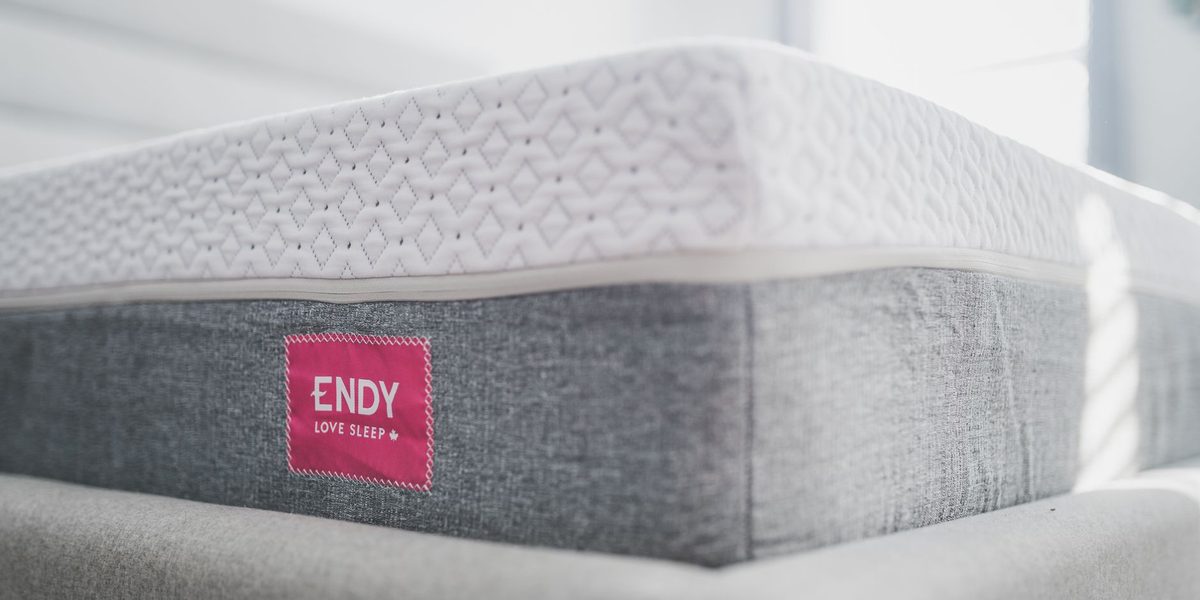
A topper changes the surface of your bed — the top few inches where pressure, softness, and temperature live. That makes it genuinely effective at a specific list of problems. A mattress that's structurally fine but too firm becomes dramatically more comfortable under a plush topper; side sleepers with aching shoulders and hips are the classic winners. A bed that sleeps hot can improve under a breathable topper. A too-soft-but-sound mattress firms up usefully under a dense latex layer. Guest beds, rentals, dorm mattresses, and fold-out sofas — surfaces you can't replace — are transformed by a topper more than by anything else you could spend the money on. And a topper extends the honeymoon of a good mattress by absorbing years of wear the mattress would otherwise take directly.
Notice the shape of that list: every item on it is a surface complaint. Pressure, plushness, temperature, and the first inch of feel are topper territory. That's also why the happiest topper owners can name their complaint in one sentence — my shoulders ache on this too-firm bed, this room sleeps hot — before they ever open a listing. A vague sense that the bed could be better is not yet a diagnosis, and vague purchases in this category are the ones that end up folded in a closet.
What a Topper Cannot Fix
Now the disqualifying list, because this is where the money gets wasted. A topper cannot repair structure. If your mattress sags in the middle, has a body-shaped crater, transfers every partner movement, or creaks and tilts, a topper will conform to those failures within weeks and reproduce them at a new altitude — the hammock simply gets three inches taller. The test is simple: lie on the floor or a firm guest bed for a night or two, and if your aches improve dramatically, your mattress is the problem and no topper will save it. Money spent topping a failed mattress is the category's signature regret, and every honest verdict on toppers starts by naming it. If the mattress is structurally done, save the topper budget toward its replacement; if the mattress is sound but the surface is wrong, read on — a topper is exactly your purchase.
Memory Foam and Latex: The Serious Contenders
Memory foam is the category's bestseller and earns it: nothing else relieves pressure points as effectively, and for side sleepers on firm beds it can feel like a new mattress. The honest fine print: foam sleeps warm (cooling infusions help modestly), it has a slow, cradled feel that some sleepers experience as being held and others as being trapped, and quality varies enormously with density. Thin, low-density bargain foam flattens into a pancake within a year; a dense topper of substantial thickness keeps performing for many. Density is the spec the price tag hides — seek it out.
Latex is the durable, springy alternative: it supports more than it sinks, sleeps notably cooler than memory foam, resists body impressions for years, and suits back and stomach sleepers or anyone who found foam too quicksandy. Its costs are weight — moving a latex topper is a two-person conversation — a higher price, and a bounce that pressure-relief seekers may find too firm. Between the two, the choice is temperament: cradle versus buoyancy, plush relief versus resilient support.
Featherbeds and Fiber: The Soft Camp
Featherbeds — down-and-feather-filled pillowtops — are pure luxury surface: cloudlike, cozy, and the fastest way to make a hard bed feel indulgent. They add softness, not support, they compress and need regular shaking back to life, and they can sleep warm. They're the right buy for people whose only complaint is this bed feels like a table, and the wrong buy for anyone seeking pressure relief with structure. Wool toppers are the temperature-regulation champions — cool in summer, warm in winter, moderate cushioning — and the underrated pick for hot sleepers who found foam swampy.
Fiber-filled toppers and traditional egg-crate foam pads occupy the budget floor, and the fair verdict is honest expectations: they soften a surface noticeably for a small price and they flatten fast. For a dorm year, a temporary rental, or a guest bed used twice a season, they're the rational choice. As a durable fix for your own nightly bed, they're a purchase you'll make twice — once in hope, once in correction — which usually adds up to the price of the dense foam or latex you were avoiding.
The Specs That Matter at Checkout
Whichever camp wins, a short checklist separates the keepers:
- Thickness matched to the mission — modest thickness tweaks a nearly-right bed; substantial thickness changes its character; anything very thin is a mattress pad wearing topper prices.
- Density and fill weight — the durability spec in foam and the substance spec in fills; when absent from the listing, assume the answer is disappointing.
- Secure attachment — straps, bands, or a gripping underside; a topper that migrates nightly gets evicted within a month.
- A washable or protectable cover — toppers live under the sheet and above everything else; one that can't be cleaned or covered ages fast.
- Sheet math — your fitted sheets must clear mattress plus topper; deep-pocket sheets are part of the real price.
- A genuine trial period — surface feel is personal; a return window turns a gamble into an audition.
Ten minutes of spec-reading here predicts the next five years better than any review headline, and it filters out the listings that were counting on you not to ask — which, in this category, is most of them.
The Verdict Math
So: worth it? The honest scoring is situational. On a structurally sound bed with the wrong surface — too firm, too hot, too flat — a quality topper delivers most of a new-mattress improvement for a fraction of the cost, and it's an easy yes. On surfaces you can't replace, it's the single highest-impact purchase available. As a firmness adjustment after buying the wrong mattress, it's a sensible correction that costs less than pride. And on a sagging, expired mattress, it's a no at any price — the money belongs in the replacement fund. Toppers reward buyers who diagnose before shopping, which makes them less an impulse purchase than a small, satisfying act of practical sleep engineering.
Final Thoughts
The mattress topper is neither the miracle nor the scam its loudest reviews suggest — it's a surface tool, superb at surface problems and helpless against structural ones. Diagnose the bed first, pick the camp that matches your body's complaints, buy the density the price tag tries to hide, and insist on a trial. Done in that order, a topper is one of the happiest purchases in the bedroom; done on impulse, it's three inches of expensive, well-reviewed apology stacked on top of a mattress that actually needed a funeral.