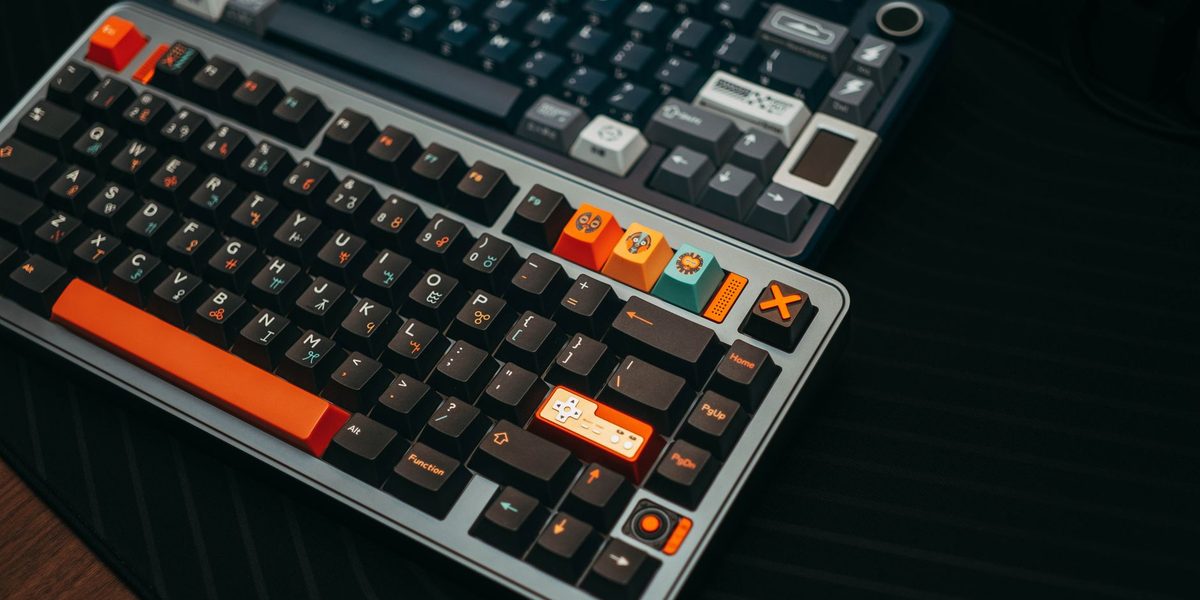
Mechanical keyboards inspire the kind of devotion normally reserved for espresso machines and vintage guitars. Enthusiasts swap tiny springs, debate the acoustics of plastic, and describe typing sensations with a sommelier's vocabulary. Meanwhile, most of the world types happily on whatever slab came with the laptop and wonders what the fuss is about. Both groups are living honest lives. The question for everyone in between is simple: does a mechanical keyboard meaningfully improve daily computing, or is it a hobby masquerading as an upgrade? The answer depends almost entirely on how much you type, and this guide will help you find your side of the line.
What Makes a Keyboard Mechanical, in Plain Language
The keyboards bundled with laptops and cheap desktops use a rubber membrane: pressing a key squashes a dome until it touches a circuit sheet. It works, it is cheap, and it feels mushy because you must bottom out every keystroke. A mechanical keyboard gives every key its own physical switch, a small mechanism with a spring and defined moving parts. The keystroke registers partway through the press, with consistent force and feedback, and each key feels identical to its neighbors.
The practical result is that typing requires less force, provides clearer feedback about when a press has registered, and stays consistent across years of heavy use. Whether that difference is worth real money is the entire debate, but the difference itself is not imaginary; it is obvious within a minute of side-by-side typing.
Switch Types Without the Jargon
Mechanical switches come in three broad personalities, and knowing them covers most of what a buyer needs. Linear switches move smoothly from top to bottom with no bump; they feel fast and uniform, and gamers tend to prefer them because rapid repeated presses flow easily. Tactile switches add a gentle bump partway down that signals the keystroke has registered; typists tend to love them because fingers learn to stop at the bump instead of slamming the key home. Clicky switches add an audible click to that bump, delightful to the person typing and, over an eight-hour day, a genuine act of aggression toward everyone nearby.
Within each family, switches vary in the force they require, from feather-light to deliberately heavy. Light switches reduce finger fatigue but invite typos from resting fingers; heavier switches feel deliberate but tire some hands. None of this is right or wrong. It is preference, which is exactly why keyboards with hot-swappable switches, which let you change switch types without any soldering, are such a sensible first purchase: you can change your mind for the cost of switches instead of a whole new board.
The Noise Question, Answered Honestly
Mechanical keyboards are louder than membrane boards, but the range is enormous, and noise is a choice, not a destiny. Clicky switches are unambiguously loud and belong in private rooms. Tactile and linear switches on a decent board produce a muted thock that most home offices absorb without complaint, and a soft desk mat plus foam inside the case quiets things further. If you share a wall, a bedroom, or an open-plan office, choose quiet linear or tactile switches and skip clicky entirely; video calls pick up loud keyboards more than owners ever realize.
The flip side deserves saying too: many people find the sound of a good keyboard genuinely pleasant, a small sensory reward attached to work. It is one of the few upgrades where satisfaction is partly acoustic, and pretending otherwise misses half the appeal.
Durability: The Quiet Economic Case
The strongest practical argument for mechanical keyboards is longevity. Individual switches are rated for tens of millions of presses, keycaps can be replaced when they shine or wear, and well-built boards survive a decade of daily labor. Membrane keyboards, by contrast, degrade as domes fatigue, keys grow inconsistent, and the whole unit heads for a landfill within a few years. A mechanical board is also serviceable: a failed switch on a hot-swap board is a two-minute fix rather than a replacement purchase.
Run the arithmetic over ten years of daily typing and a mid-priced mechanical keyboard often costs less per year than a parade of cheap boards, while feeling better the entire time. Durability is the reason the purchase can be defended as sensible rather than indulgent, provided you actually type enough to collect the benefit.
Who Genuinely Benefits
The value of a mechanical keyboard scales directly with hours of keyboard contact. The clearest winners are:
- Heavy typists: writers, programmers, students, and anyone producing thousands of words a day, for whom feel, consistency, and fatigue reduction compound into real comfort.
- Gamers: faster, more consistent actuation and reliable simultaneous key presses provide a small but genuine edge, and linear switches suit rapid inputs.
- Desk-bound professionals: anyone who works a full day at a desktop or docked laptop and touches the keyboard constantly.
- People with typing discomfort: lighter switches and better ergonomic options can reduce strain, though anyone with persistent pain should consult a professional rather than shopping their way to a cure.
- Tinkerers: people who will actively enjoy customizing switches, keycaps, and layouts as a hobby in itself.
If several of those describe you, a mechanical keyboard is one of the highest-satisfaction upgrades available for the money, precisely because you will use it for thousands of hours.
Who Will Never Notice the Difference
Honesty cuts the other way too. If you type a few emails a day, live primarily on a laptop away from a desk, or do most of your computing on a phone and tablet, a mechanical keyboard is a solution without a problem. Casual users who try one often shrug: the improvement is real but irrelevant at their volume of typing, like racing tires on a car that only drives to the grocery store. Laptop-first workers face an extra hurdle, since the mechanical board only helps when docked at a desk, and carrying one around defeats the point.
There is no shame in this camp. The correct amount to spend on a tool is proportional to its use, and a membrane keyboard used twenty minutes a day is a perfectly rational choice.
Buying Sensibly Instead of Falling Down the Hobby Well
The enthusiast rabbit hole is deep, hand-built, and expensive, but none of it is mandatory. A sensible first mechanical keyboard is a mainstream board with tactile or linear switches, hot-swap sockets, and a size that fits your desk; smaller layouts without the number pad free up mouse room and travel better. Try a friend's board or a switch tester before committing if you can. Skip aggressive lighting unless it delights you, and skip the temptation to buy a second board before the first has taught you your preferences. The upgrade curve flattens fast: the leap from membrane to any decent mechanical board is huge, while the leap from decent to exotic is a hobby, not an improvement.
Final Thoughts
Are mechanical keyboards worth it? For people who type for a living, game seriously, or simply spend their days at a desk, yes: the combination of feel, consistency, and decade-long durability makes it one of the best value upgrades in tech, and the pleasure of using one daily is real even if the productivity gains are modest. For light and laptop-first users, the honest answer is no, and the money belongs elsewhere. Buy for the hours you will actually spend typing, choose quiet switches if anyone shares your air, and start mainstream before going boutique. Your coworkers, and your wrists, will both render their verdicts within the week.