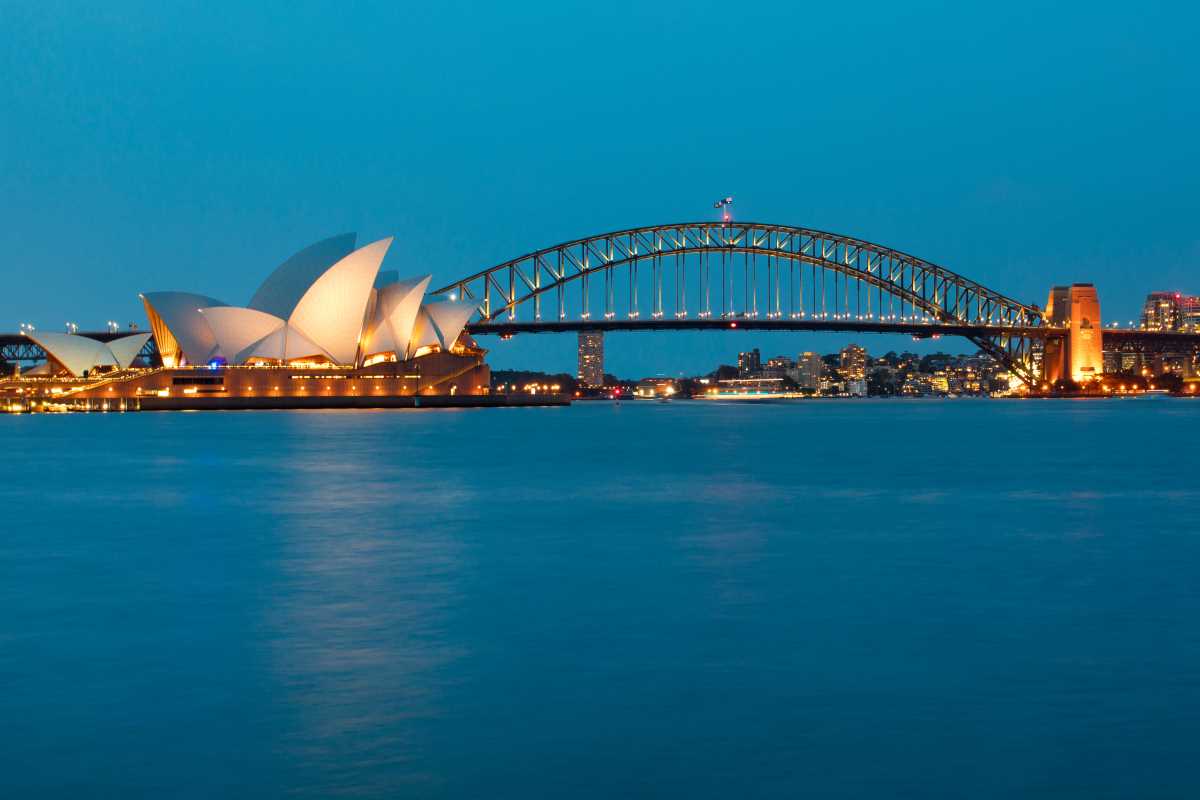
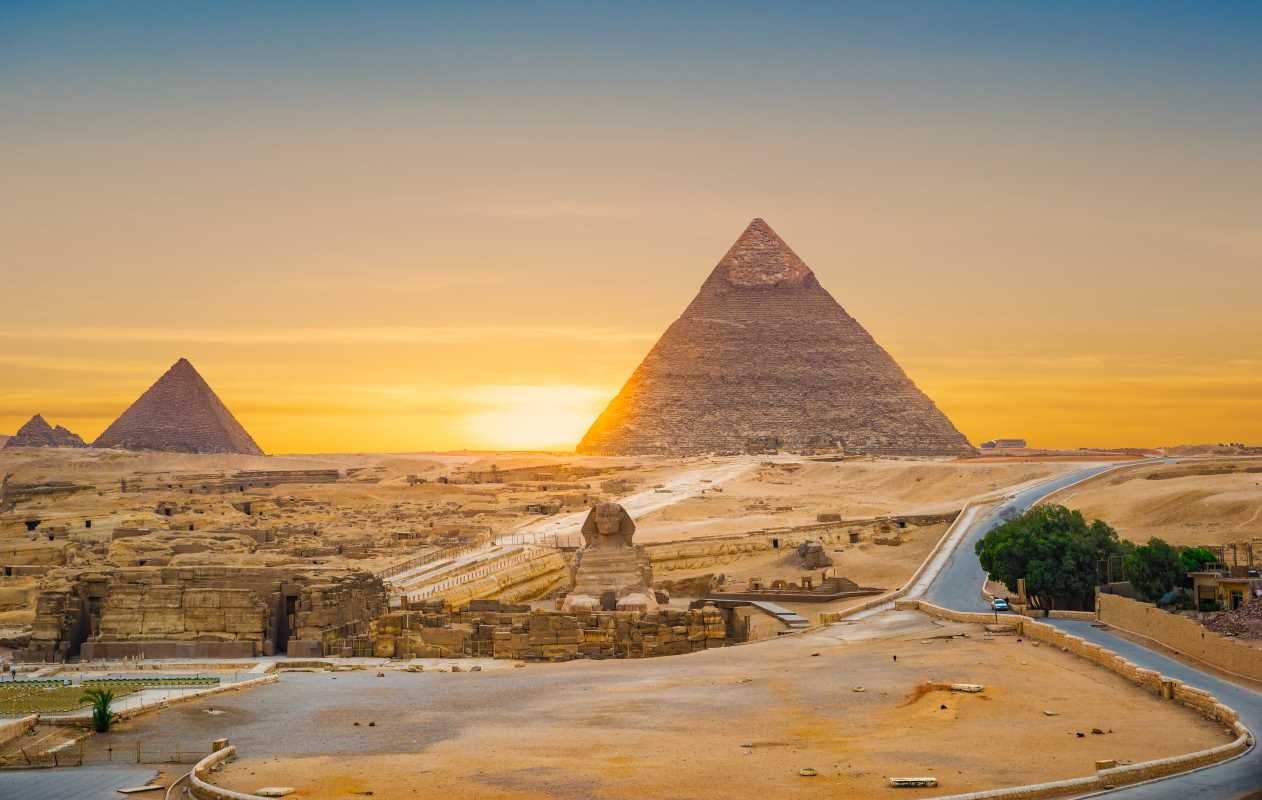
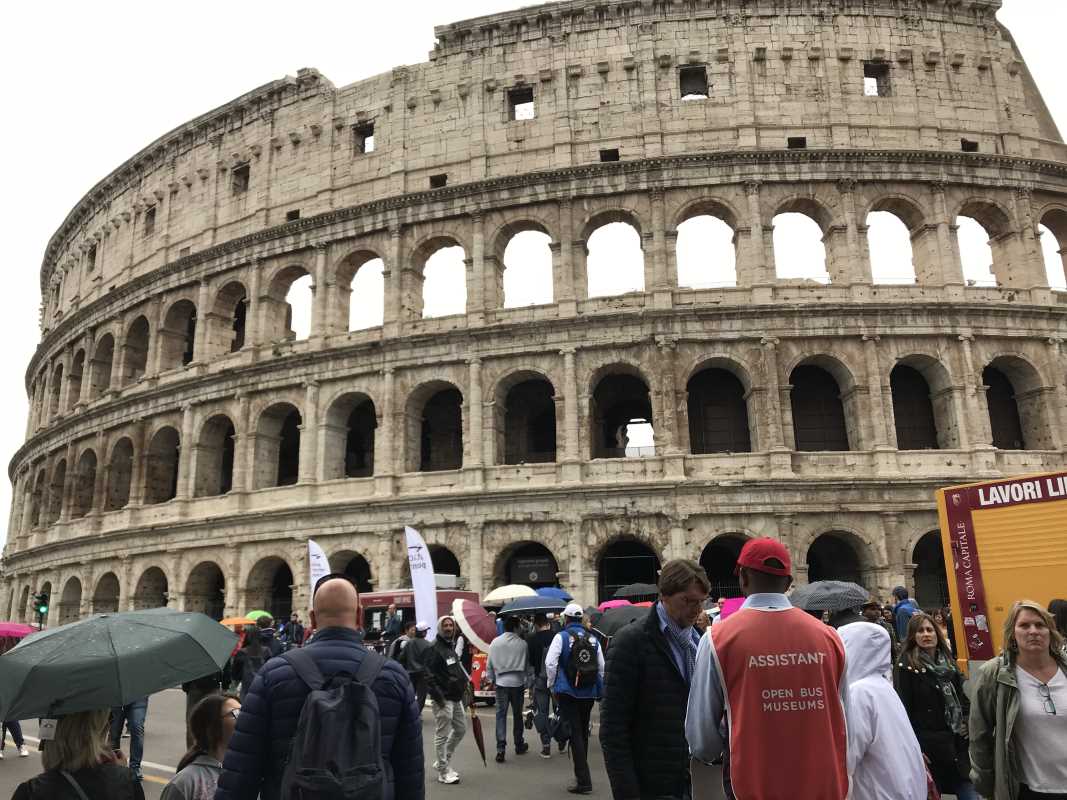
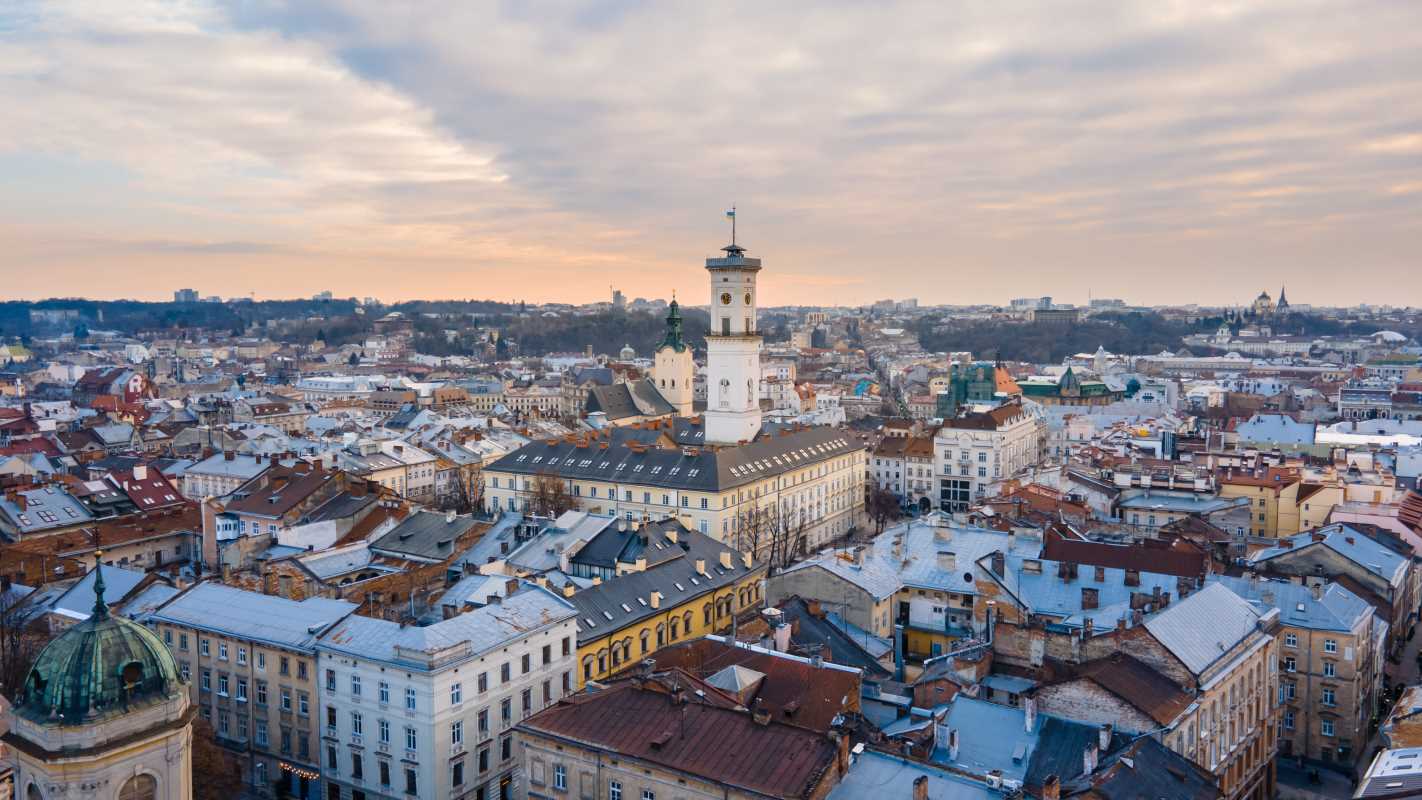
 (Image source: Gemini)
 By now, in 2026, the "water pistol summer" has become a legendary symbol of a much deeper conflict. What we're seeing across the Mediterranean isn't just a series of random complaints. It’s a coordinated, multi-country uprising against a style of travel that many residents feel is destroying their homes. Have you ever felt like a city you love has become a theme park version of itself? That’s exactly what the people of Venice, Palma, and Marseille are fighting against. They’ve reached a tipping point where the economic benefits of tourism no longer outweigh the cost of living in a crowded, expensive "museum city."
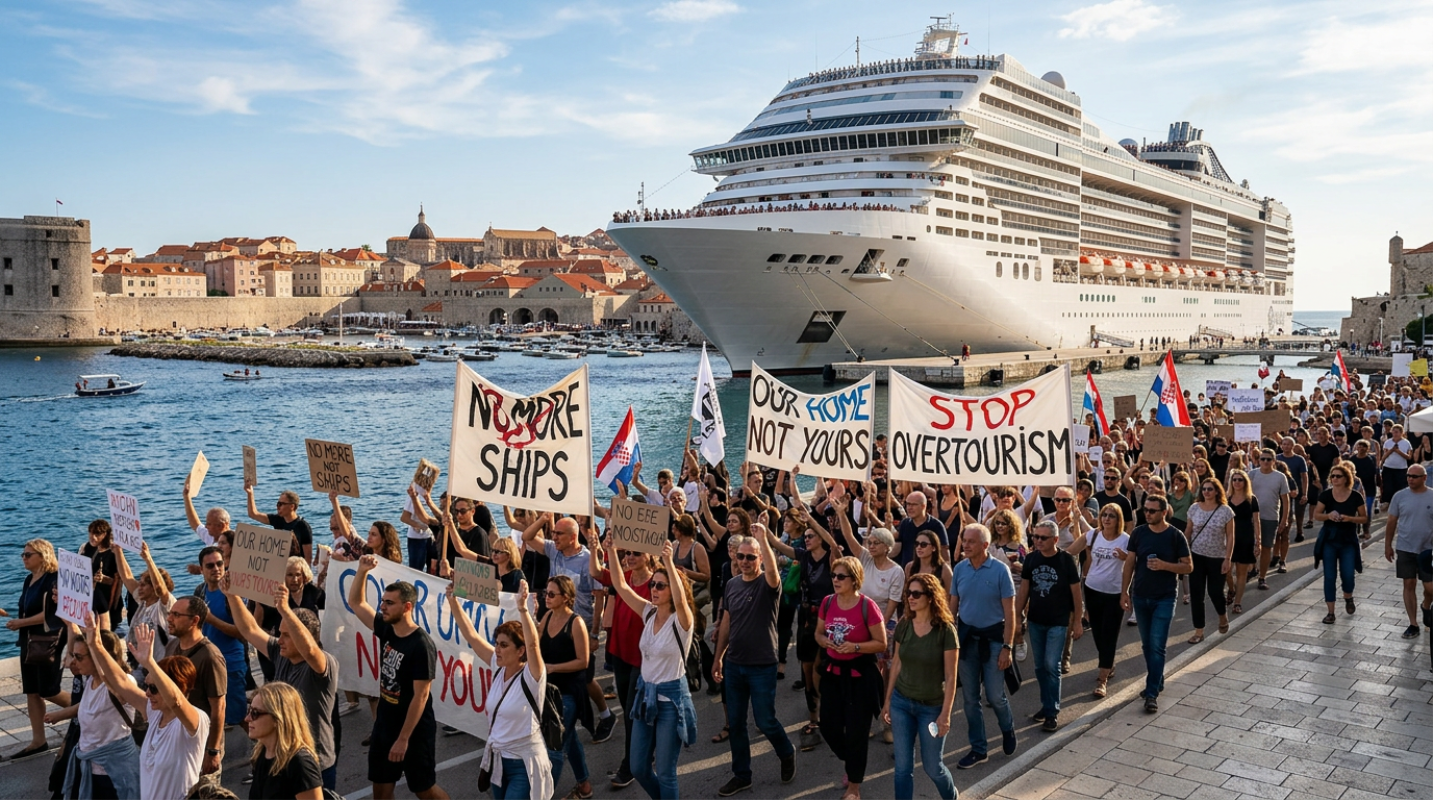
The movement reached a fever pitch on June 15, 2025. On that day, a network called Southern Europe Against Touristification (SET) organized simultaneous protests in 16 different cities.¹ From Lisbon to Naples, thousands of people took to the streets with a blunt message: "Tourism robs us of our food, shelter, and future." They’re demanding "tourist degrowth," a radical idea that suggests the only way to save these cities is actually to have fewer people visiting them.
Cruise Ships Are in the Crosshairs
You might wonder why cruise ships, specifically, attract so much anger. After all, they’re only one part of the travel industry. But to a local resident, a cruise ship is like a giant, floating skyscraper that suddenly drops 5,000 people into a fragile historic center all at once. It’s the ultimate "peak load" problem. These travelers arrive in a massive wave, crowd the same three or four famous streets for six hours, and then disappear back to the ship for dinner.
This is the "day-tripper" economic model that locals hate. Think of it like someone coming over to your house, using all your water, clogging your driveway, and eating their own packed lunch on your porch without saying hello. Studies show that cruise passengers often spend significantly less per day than people who stay in local hotels and eat at local restaurants. Yet, they put the same strain on public transport, trash collection, and the general sanity of the people living there.
Then there’s the environmental side of things. In September 2024, activists in Marseille took things into their own hands. A group called Stop Croisières, along with Extinction Rebellion, used a human chain of canoes to block the port entrance.² They forced one ship to turn back and delayed several others, including the massive MSC World Europa. They were protesting the thick plumes of emissions and the impact on the local marine ecosystem. For the people of Marseille, those ships are symbols of pollution and the "Disneyfication" of their historic waterfront.
Ports Are Responding
For a long time, city governments just kept promoting tourism because they wanted the tax revenue. But the protests have forced their hand. In 2025 and 2026, we’ve seen a massive shift toward aggressive regulation.
Greece has been one of the most vocal about this. In July 2025, they implemented a €20 peak-season fee for every cruise passenger visiting Santorini or Mykonos. They also slapped a strict 8,000-person daily cap on visitors. Santorini is even using a new ranking algorithm to decide which ships get to dock. They prioritize ships that stay longer or visit during the off-season. It’s a way of saying, "If you want to come here, you have to play by our rules."
Other cities are taking even more drastic physical measures. Barcelona is in the middle of a plan to reduce its terminals from seven to five, effectively closing the terminals closest to the city center. Venice has already banned ships over 25,000 tons from its historic heart. In Cannes, a new rule starting in 2026 will ban any ship carrying more than 1,000 passengers. These are hard limits designed to break the "megaship" cycle.
Responsible Cruising
What does this mean for your next vacation? You’re likely going to see what experts are calling "The Great Re-routing." As the most famous ports like Venice and Barcelona tighten the screws, cruise lines are desperately looking for "second-tier" ports. You might find yourself docking in places like Ravenna, Italy, or Zadar, Croatia, instead of the big-name hubs.
But there’s a catch. These smaller ports are already starting to feel the same pressure. They don't have the infrastructure to handle thousands of people at once, and the local residents are watching what happened in Barcelona with a wary eye. The cruise industry is realizing that they need a "social license" to operate. This means they can't just pay a port fee and expect everyone to be happy. They have to prove they’re adding value to the community.
We’re also seeing a push for better technology. More ships are being built to use shore power, which means they can plug into the city’s electric grid instead of running their dirty engines while docked. Some lines are even experimenting with sustainable fuels. But for the protesters in Mallorca or Lisbon, a "cleaner" ship doesn't solve the problem of 20,000 people trying to walk down the same narrow alleyway at 10:00 AM.
If you’re planning a trip to the Mediterranean and want to avoid being the target of a water pistol, you have to change how you travel.
- Book Shoulder Season Cruises: Visiting in April or October instead of July makes a massive difference. You’ll get better weather, fewer crowds, and the locals will be much less stressed.
- Choose Independent Local Guides: Instead of booking the ship’s "standard" walking tour, find a local guide who lives in the neighborhood. This makes sure your money goes directly into a resident’s pocket rather than a corporate bank account.
- Eat and Shop Away from the Port: Walk twenty minutes away from the cruise terminal before you buy anything. The food will be better, the prices will be lower, and you’ll be supporting the small businesses that are actually struggling to survive the "tourism monoculture."
- Prioritize Smaller Ships: If you have the choice, pick a smaller vessel. They can visit ports that the megaships can't, and they don't overwhelm the local infrastructure in the same way.
Travelers Can Be Part of the Solution
At the end of the day, the solution isn't to stop traveling altogether. It's to travel with a bit more awareness. Have you ever stopped to think about where your tourism dollars actually land? In many of these Mediterranean hubs, the "right to housing" has become a bigger priority than the "right to vacation." Barcelona’s Mayor, Jaume Collboni, put it clearly when he said that the city has to put residents' needs first. When short-term rentals and tourist shops drive out local grocery stores and affordable apartments, the city loses its soul.
You can be part of the solution by being the kind of traveler a city actually wants. This means being aware of your footprint, respecting local laws (like Venice’s new entry fee), and understanding that these cities are living communities. The era of "anything goes" mass tourism is ending, and a new era of managed, high-value travel is beginning.
So, the next time you see a protest in a Mediterranean port, take a moment to listen to what they're saying. They aren't trying to ruin your holiday. They’re trying to save their homes so that there’s still something beautiful left for you to visit in another ten years.