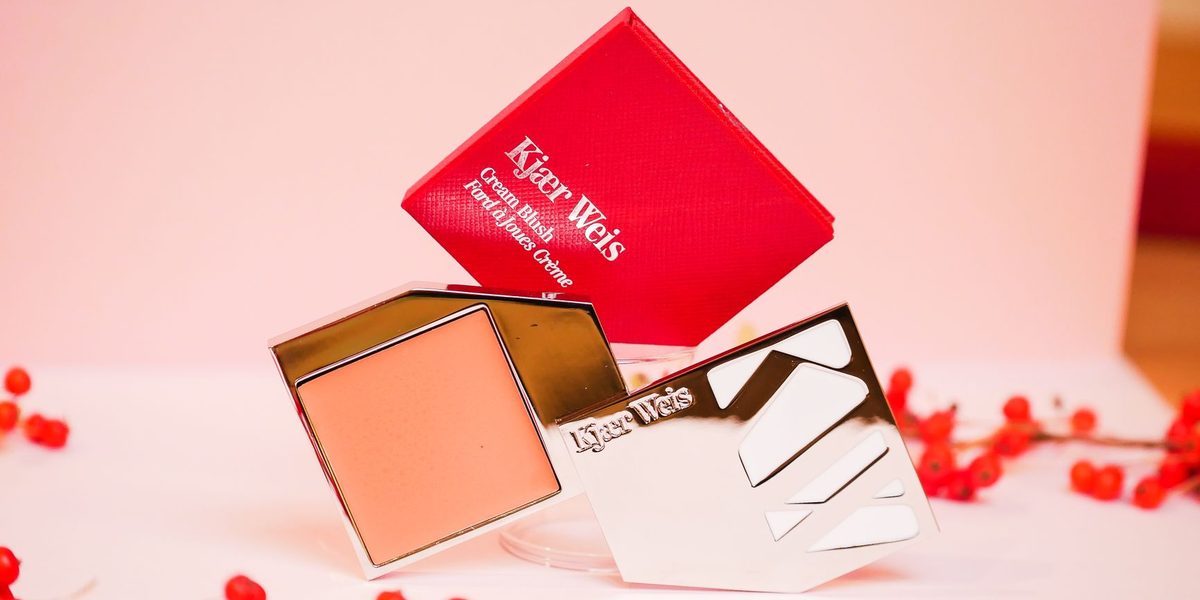
Blush has quietly become the most important step in modern makeup — the difference between a face that looks finished and one that looks alive. And the moment blush mattered again, the format war began: the cream renaissance versus the powder establishment. Cream loyalists say powder looks dated and dusty; powder loyalists say cream slides off by lunch and breaks up foundation besides. Both camps have receipts. Time for a fair, opinionated verdict on which blush formula actually deserves the spot in your bag — and why the answer changes depending on whose face we're talking about.
What Each Formula Actually Is
Powder blush is pressed pigment in a powder base, applied with a brush over set makeup. It's the classic architecture of the category: buildable, predictable, and dependent on a smooth base to sit well. Its pigments rest on top of the skin, which is exactly why it reads as a distinct layer — for better (control) and worse (visibility).
Cream blush suspends pigment in an emollient base — balms, sticks, pots, and liquid-cream hybrids all belong to the family. Applied with fingers, sponge, or brush, it melds into the skin and other cream products rather than sitting on them. That melding is the whole appeal: the color looks like it's coming from within the skin rather than resting on it. It's also the whole liability, because things that meld also migrate.
The Finish Question: Cream Takes It
Judged purely on how blush looks in real light on real skin, cream wins, and the margin isn't small. The current preference for skin that looks like skin — dewy, sheer, flushed rather than painted — is essentially a cream-blush aesthetic. Cream catches light the way a natural flush does, blurs into tinted moisturizer and light foundation seamlessly, and photographs without the telltale dry stripe.
Powder's finish is more formal. Over a full-coverage, powdered base it looks correct and polished — that's its native habitat. But over minimal or dewy bases, powder blush visibly disagrees with its surroundings, clinging to texture, emphasizing pores, and announcing itself as makeup. The more natural your overall look, the more the powder format works against you.
The Longevity Question: Powder Strikes Back
Flip the criterion to survival and the ranking flips with it. Powder blush, set properly over base makeup, is remarkably durable — it fades gradually and evenly through a workday. Cream blush lives a riskier life: emollient formulas move with skin oils, and on oily cheeks a morning application can be a memory by mid-afternoon, sometimes taking a patch of foundation with it.
The gap narrows with technique — thin layers pressed in, a light dusting of powder on top, long-wear hybrid formulas — but it doesn't close. If your day is twelve hours long, your climate is humid, or your skin runs oily, powder's staying power is not a nostalgia argument; it's a functional one. The most honest summary: cream wins the first four hours, powder wins the last four.
Skin Type and Age: The Real Tiebreakers
Most people don't need a philosophical position on blush; they need the formula that flatters their actual face:
- Dry skin: cream, no contest. Powder on dry cheeks accentuates flakes and looks parched by noon, while cream adds a hydrated glow the skin didn't have.
- Oily skin: powder by default — it adheres better and manages shine. Determined cream fans should look to long-wear and liquid-tint hybrids and accept a midday check-in.
- Mature skin: cream, usually. Powder tends to settle into fine lines and flatten the complexion, while cream's dewiness reads youthful. The exception is very oily mature skin, where a finely milled modern powder still earns its keep.
- Combination and normal skin: genuinely either — lifestyle, not skin, should decide.
Skill, Speed, and the Application Experience
Cream blush is the beginner's friend in one specific way: fingers are its best tool, mistakes blend away with a tap, and the whole operation takes ten seconds in decent light — even without a mirror, which makes it the commuter's champion. But it punishes overloading; a heavy swipe of pigmented cream takes real blending to rescue. Powder offers the opposite contract: a brush gives precise placement and gradual buildability, but demands a set base underneath, decent brush technique, and slightly more ceremony. Neither is hard; they're just different temperaments — cream is intuitive and casual, powder is methodical and controlled.
Portability deserves a mention in the same breath. A cream stick is the superior travel and touch-up object: no brush required, no powder shatter risk in a bag, doubles as a lip color in a pinch for many formulas. The compact-and-brush ritual of powder belongs to the vanity table, not the train.
The Value and Longevity-of-Product Question
Judged per gram in the pan, the formats price similarly, but their lifespans differ. Powder blush is nearly immortal — a compact can serve for years without changing character. Cream formulas dry out, stiffen, and shift over time, especially pots that meet fingers daily, and their emollient bases give them a genuinely shorter happy life. Frequent, light users may find a cream pot ages out before it empties. Blush devotees who hit pan on everything can ignore this paragraph; occasional wearers should let it quietly favor powder — or favor cream sticks over pots, which age more gracefully than open jars.
Shade Strategy Differs by Format
One under-discussed wrinkle in this comparison: the same shade behaves differently in each format, and buying habits should adjust. Cream blushes sheer out on application and warm up with skin oils over the day, so a shade that looks alarmingly bright in the pot often wears believably on the cheek — the classic beginner mistake is buying creams too pale and wondering why they vanish. Powder shows closer to true from the first swipe and oxidizes less, so what you see in the pan is roughly what the mirror gets. If you're translating a beloved powder shade into cream, go a touch bolder than instinct suggests; going the other way, a touch softer.
Undertone forgiveness also differs. Because cream melds with your actual skin, slightly-wrong undertones blur into plausibility; powder sits on top and broadcasts its opinion, making an off undertone more visible. This is why cream is the safer format for online shade gambling and powder rewards trying before buying. None of this changes the structural verdict, but it explains a common misdiagnosis: plenty of people who think they hate a format actually own the wrong depth of shade for it.
Do You Need Both?
The two-blush wardrobe is one of the few both-products upsells in beauty that survives honest scrutiny. Cream for minimal-makeup days, powder for full-face and long-haul days is a genuinely functional split, not a collection excuse. Better still, the layering trick — cream first for the lit-from-within base, a whisper of matching powder on top for insurance — outperforms either format alone and is the closest thing blush has to a cheat code. But if the budget or the drawer says one blush only, let the skin-type section above make the call; it will be right far more often than the trend cycle.
Final Verdict
Cream blush wins the era, and mostly deserves to: on the majority of faces, in the majority of current looks, it simply produces a prettier, more believable flush. But powder keeps an entirely legitimate kingdom — oily skin, long days, humid climates, and full-glam bases — and calling it outdated says more about trend cycles than performance. Verdict: cream for how makeup looks now, powder for how long makeup needs to last, and the cream-then-powder layer for the days that demand both. The formula war has no single winner; it has a correct answer per face, and now you know yours.