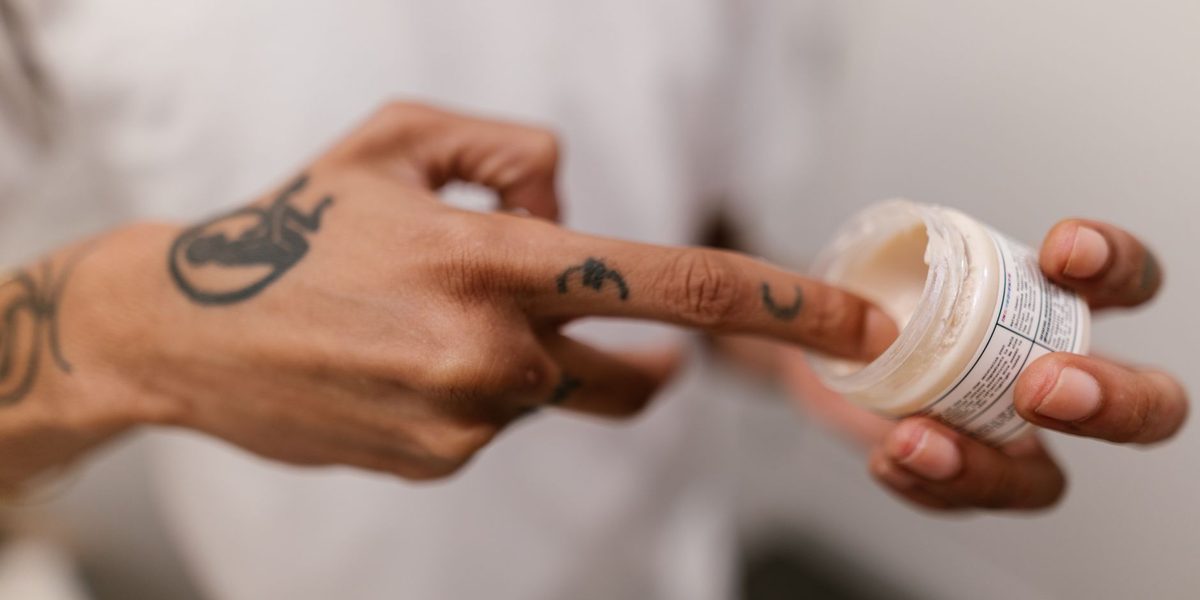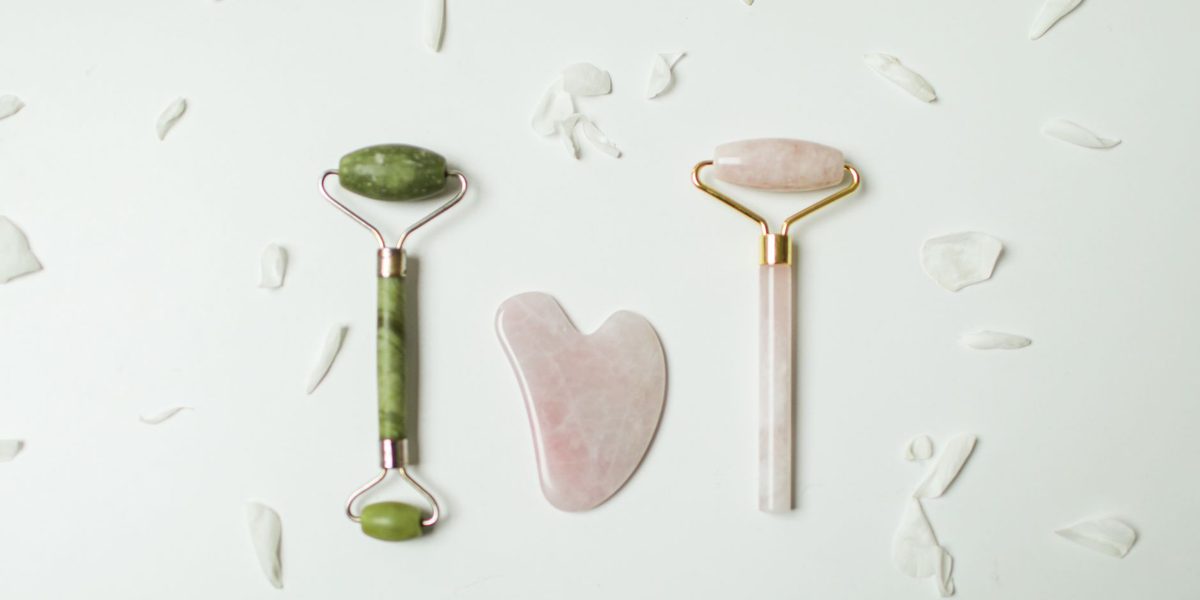
Somewhere along the way, a smooth piece of stone became one of the most photographed objects in beauty. Facial rollers and gua sha tools promise sculpted cheekbones, drained puffiness, and a lifted jawline — all from a few minutes of massage a day. Skeptics call them pretty paperweights; devotees call them the cheapest facial you'll ever own. As usual, the truth lives in the middle, and it's worth mapping precisely, because this is a category where the honest benefits are real but modest, and the marketing is anything but modest.
What These Tools Actually Are
Strip away the crystals-and-wellness aura and both tools are massage implements. A facial roller is a smooth stone or metal cylinder on a handle, rolled across the skin. A gua sha tool is a flat, contoured stone — traditionally used in East Asian bodywork practices — scraped gently along the face's planes. Both do fundamentally the same thing: apply moving pressure to skin and the tissue just beneath it.
That's not nothing. Massage genuinely moves fluid, temporarily boosts surface circulation, and releases muscle tension. But it's important to be clear-eyed about the mechanism, because every honest benefit of these tools flows from "it's massage," and every overblown claim flows from pretending it's something more.
The Benefits That Are Real
First, de-puffing. Morning facial puffiness is largely fluid that accumulated overnight, and gentle, directional massage — always with light pressure, always with a slip of oil or serum — genuinely helps move that fluid along. Roll or sweep for five minutes and the mirror will often show a subtly more defined face. This is the tools' most legitimate claim, and anyone who wakes up puffy will notice it.
Second, tension relief. Jaws clench, brows knit, and temples tighten, especially in screen-heavy lives. Working a smooth stone along the jaw and temples feels genuinely good and can ease that gripping sensation the way any targeted massage does. Third — and most underrated — the ritual itself. Five unhurried minutes of self-massage is a small daily decompression, and the relaxation is not a placebo consolation prize; stress shows on faces, and unwinding it has visible value.
The Claims That Don't Hold Up
Now the other column. These tools do not dissolve fat, reshape bone structure, or lift sagging tissue in any lasting way. "Sculpting" results are temporary fluid shifts that fade within hours. Claims about detoxifying are marketing poetry — your lymphatic system was already doing its job before the stone arrived. And the supposed powers of specific stones — one crystal calming, another energizing — have no mechanism beyond temperature and smoothness, which any clean, cool stone provides equally.
The cooling effect deserves its own honest note: a chilled roller does feel wonderful and briefly tightens the look of skin, but a cold spoon from the freezer performs the same trick. You are paying for ergonomics and pleasure, not exclusive physics.
Technique Matters More Than the Tool
Here's the finding that surprises most buyers: the difference between disappointing and delightful results is almost entirely technique. Used wrong — dry skin, heavy pressure, random directions — these tools do little except redden your face. Used well, the modest benefits actually show up. The essentials:
- Always use slip. A facial oil or rich serum first, so the tool glides instead of dragging delicate skin.
- Featherlight pressure. Fluid moves with surprisingly gentle strokes; pressing harder bruises, it doesn't sculpt.
- Work outward and downward at the end — from the center of the face outward, then down the sides of the neck, following the direction of natural drainage.
- Slow beats fast. A few deliberate passes per area outperform frantic scrubbing motions.
- Keep it clean. Wash the tool after use like you'd wash a makeup brush; a grimy stone dragged across your face undoes its own good work.
Roller vs. Gua Sha: Which Wins?
Between the two, gua sha is the more capable tool and the roller is the more foolproof one. The flat, contoured edges of a gua sha stone hug the jawline, cheekbone, and brow in a way a cylinder can't, allowing genuinely targeted work on tension and puffiness. The roller asks nothing of you — no angles, no technique videos — which makes it the better fit for the half-asleep morning user. If you'll actually learn the strokes, choose gua sha. If you know you won't, the roller's simplicity is worth more than the gua sha's ceiling.
Who Should Skip These Tools
This category isn't for every face. Active acne is the big one — rolling over inflamed breakouts spreads irritation and hurts besides. Very reactive, rosacea-prone, or broken skin should also sit this trend out, since even gentle friction can trigger flushing. Anyone using strong resurfacing products should be cautious about adding daily friction on top. And a general rule that applies to every tool in beauty: massage should never leave marks on the face. If your skin shows lingering redness or bruising, the pressure is wrong, and if you have any medical skin condition, a dermatologist's advice outranks any trend. The tools are also no substitute for the boring pillars — sunscreen, moisture, sleep — and anyone buying a stone before securing those has the order backwards.
How to Build a Routine That Actually Shows Results
If you're going to own one of these tools, consistency is the entire game. The de-puffing benefit is cumulative in the sense that a daily five-minute habit means you see the payoff every day, while a once-a-month session delivers exactly one afternoon of slightly sharper cheekbones. The sweet spot for most people is a short morning session — when puffiness is at its peak and the payoff is most visible — anchored to an existing habit like applying facial oil or waiting for the kettle. Evening sessions trade the visible de-puffing for better relaxation value, working out the day's jaw tension before bed.
A sensible sequence takes less time than describing it: cleanse, apply a few drops of oil, sweep the neck first to clear the path downward, then work from the chin along the jaw, across the cheeks toward the ears, and finish with light strokes over the brow and temples. Three to five passes per zone is plenty. Pair the habit with realistic tracking — a quick glance in the same mirror, same light, each morning — and you'll know within a couple of weeks whether the ritual earns its minutes for your particular face. That personal evidence beats any influencer testimonial, in either direction.
The Value Question
Priced as massage tools, rollers and gua sha stones are perfectly reasonable purchases — durable, reusable, and pleasant. Priced as facelifts, they're a rip-off. The category's biggest problem is that it's often sold in the second framing. Judge your purchase by what it honestly is: a well-shaped object that makes a genuinely beneficial five-minute habit easier and nicer to keep. On that standard, a modest tool used daily beats an expensive one abandoned in a drawer, and the fanciest stone in the world adds nothing a simpler one doesn't.
Final Verdict
Worth it — with honest expectations. Facial rollers and gua sha tools deliver real but temporary de-puffing, genuine tension relief, and a daily ritual that many people quietly treasure. They deliver nothing permanent, nothing structural, and nothing a committed pair of clean hands couldn't approximate. If that trade sounds fair, this is one of the more harmless and pleasant corners of the beauty world. If you were promised a new jawline, keep your money. Verdict: a lovely ritual, honestly a five-out-of-ten miracle — and a solid eight-out-of-ten massage.