Nobody brags about their mop, which may explain why the hard-floor cleaning aisle has quietly become one of the most gimmick-dense corners of the housewares world. Between spinning buckets, spraying handles, steaming pads, and disposable everything, the simple job of getting a floor clean has been engineered into a dozen competing systems — some genuinely better than the old string mop, some worse, and all marketed identically. Here's an honest sorting of the floor-tool landscape: what each type does well, who it suits, and which purchases end up leaning in a closet within a month.
The Flat Microfiber Mop: The Quiet Winner
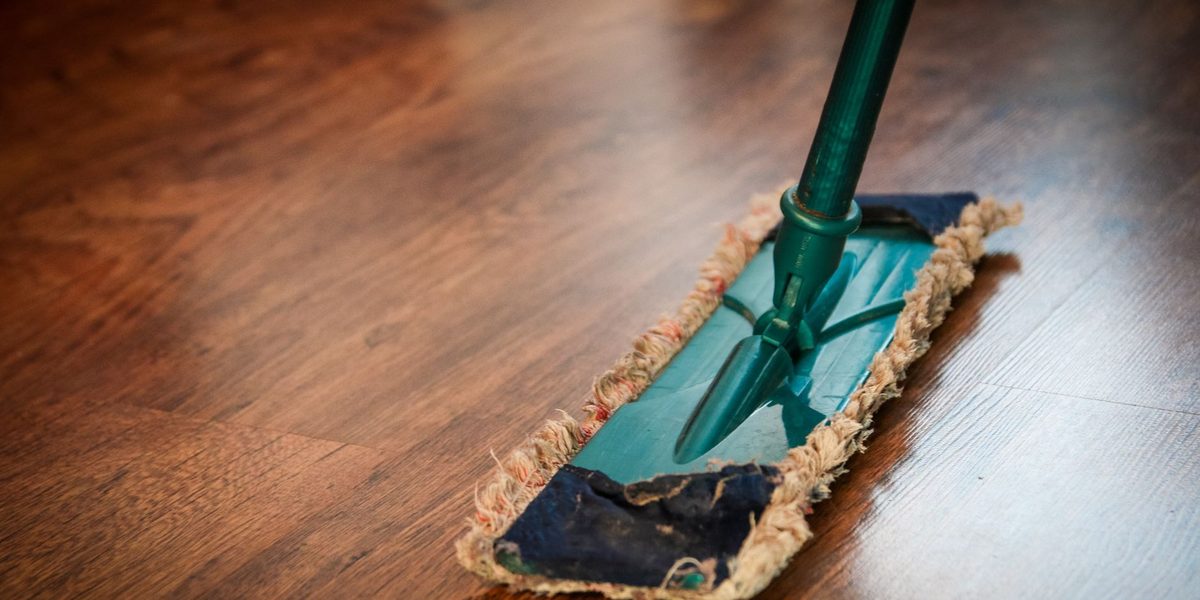
If this guide has a headline verdict, it's this: the flat mop with washable microfiber pads is the best all-around hard-floor tool for most homes, and it isn't especially close. Microfiber grabs and holds fine dust and grime rather than pushing it around, the flat head slides under furniture where every bucket-fed mop fears to go, and the pads velcro off and go in the laundry — no bucket of gray water, no sour mop smell, no drama. Used dry, the same frame becomes a dust mop for daily crumbs and pet hair; used damp with a little cleaner, it handles the weekly wash of sealed wood, tile, laminate, and vinyl.
Buying advice within the type is short: get a sturdy frame with a swiveling head, a pole that doesn't flex, and at least three or four pads so laundry day never idles the mop. The generic pads are fine. This whole setup costs less than one fancy system mop, and it outlasts several of them. The only real technique it asks for is the one every mop asks for: work with a reasonably clean pad, flip or swap it when it loads up, and don't drown sealed wood — damp cleans, wet damages. Master that and the flat mop has no meaningful competition on ordinary weekly floors.
Spin Mops and String Mops: The Bucket Brigade
The spin mop — the string-style head with a pedal-operated wringing basket — earned its popularity honestly. It solves the classic string mop's worst feature, the hand-wringing, and it carries far more water than a flat pad, which matters for genuinely dirty floors: muddy entryways, sticky kitchen disasters, big tile expanses. Households with kids, dogs, and weather tracked in on a daily basis will find the spin mop's water capacity worth every bit of the bucket-hauling, and its pedal wringer keeps hands dry through the whole miserable job.
Its weaknesses are inherited from the bucket itself. You're washing floors with water that gets dirtier as you go, the head takes ages to dry and needs regular machine-washing or replacement to stay fresh, and the bucket demands storage space. The classic string-and-janitor-bucket combo survives for the same reasons at bigger scale, but for most homes it's overkill. Fair verdict: the spin mop is the right second tool for messy, high-traffic homes — and an unnecessary one in tidy apartments where a flat mop covers everything.
Spray Mops: Convenience With a Catch
Spray mops — flat heads with a trigger-fed mist from an onboard bottle — sell the fantasy of mopping without commitment, and they half deliver. For quick touch-ups between real cleanings they're genuinely pleasant: grab, mist, wipe, done. The catch arrives in two forms. The proprietary-refill versions lock you into buying their cleaner and their disposable pads forever, converting a cheap chore into a subscription; and the trigger-and-tank mechanisms on cheap models fail early and often. The version worth owning is the refillable-tank, washable-pad kind that accepts whatever floor cleaner you dilute yourself. Anything built around branded cartridges is a razor-and-blades business model wearing a mop costume. A fair middle path for spray-mop fans: keep the refillable version by the kitchen for daily spot duty and let the flat mop handle the real weekly clean — the two share pads, and together they cover the convenience the cartridge systems charge rent for.
Steam Mops: Powerful, Specific, and Oversold
Steam mops deserve the most nuanced verdict in the aisle. What they genuinely do: sanitize and cut greasy grime on sealed tile and stone with nothing but water, which is excellent for kitchens, bathrooms, and households that want fewer cleaning chemicals. Dried-on mess that laughs at a damp pad wilts under steam. What the marketing glosses over: steam and wood are enemies. Repeated steam sessions can cloud finishes and work moisture into the seams of hardwood and some laminate — flooring makers routinely warn against it — which makes the steam mop precisely the wrong tool for the floors many buyers own most of.
If your home is largely tile and vinyl, a steam mop earns its cupboard space; buy one with washable pads and decent steam control. If your home is mostly wood, skip it entirely rather than promising yourself you'll only use it carefully. And treat the steam-everything multi-tools — handheld attachments promising to clean grout, ovens, upholstery, and the car — as a bonus at best, since the attachments are where these machines get flimsy.
The Gimmick Shelf
Every floor-tool trend eventually produces its own clutter, and a few categories fail reliably enough to name:
- Disposable-pad-only mops — the pads cost forever, clean worse than microfiber, and turn a reusable tool into a subscription with a handle.
- Mop slippers and cleaning-while-walking novelties — gifts, not tools.
- Combination vacuum-and-mop machines at the budget end — two mediocre machines welded together; the wet function mostly smears. The premium versions are improving, but the cheap ones disappoint on both jobs.
- Miracle spray-and-shine products promising permanent gloss — buildup in a bottle; floors end up hazier than before.
- Robot mops on anything but sealed hard floors — they drag a damp cloth in patterns; fine for daily film in tidy homes, useless against actual dirt.
The pattern is familiar from every gimmick shelf: each product replaces a cheap consumable — a washable pad, your own diluted cleaner — with a proprietary one, or replaces technique with a promise. The floor doesn't know the difference; your recurring costs do.
Building the Sensible Kit
For nearly every home, the honest floor kit is small. A flat microfiber mop with a stack of washable pads is the backbone. Add a spin mop if your household generates real weekly grime, or a steam mop if your ground floor is tile — rarely both. Keep a good dustpan and a stiff broom or a dry-pad pass for the daily grit, because wet-mopping a gritty floor just makes mud. Round it out with a small stack of plain microfiber cloths for spills and baseboards. Total cost: modest. Storage footprint: one closet corner. Everything in it launders, nothing in it needs refills from one specific company, and the whole kit will outlast whatever system mop is being advertised this season.
Final Thoughts
Floor cleaning is a solved problem that marketing keeps reopening. Microfiber changed the game genuinely; most of what followed changed the packaging. Match the tool to your actual flooring — flat mop for almost everything, water capacity for real messes, steam for sealed tile only — insist on washable pads and refillable tanks, and walk past anything whose business model is the refill. A floor doesn't need technology. It needs the right handful of washable fiber on a sturdy stick, used slightly more often than feels natural — plus the small discipline to walk past the rest of the aisle and leave every spinning, spraying, cartridge-fed marvel exactly where it stands.