Podcasts have a discovery problem, and it is not a shortage. There are more shows than any human could sample in a lifetime, spanning every conceivable subject, and yet most listeners rotate between the same two or three programs they found years ago. The reason is simple: nobody teaches you the map. Podcast genres behave differently from movie or book genres — they fit different moments of your day, demand different levels of attention, and reward different sampling strategies. Learn the map and the medium opens up. Here is the honest tour, genre by genre, with verdicts included.
True Crime and Investigative Shows
The genre that conquered the medium, and it earned the crown for a reason: serialized mystery is the strongest hook audio has ever found. A good investigative show turns a commute into something you look forward to, doling out revelations at a pace that makes you sit in the driveway to finish an episode. The craft ceiling here is high — the best entries are genuine long-form journalism with sound design to match.
The fair criticism is equally real. The genre's popularity has produced a flood of low-effort shows that summarize cases with more relish than rigor, and a steady diet of grim material genuinely darkens some listeners' baseline mood. The verdict: sample the prestige end of the genre, notice how you feel after a week of it, and treat the true-crime binge like strong coffee — excellent in doses, corrosive as a constant drip.
Interview and Conversation Shows
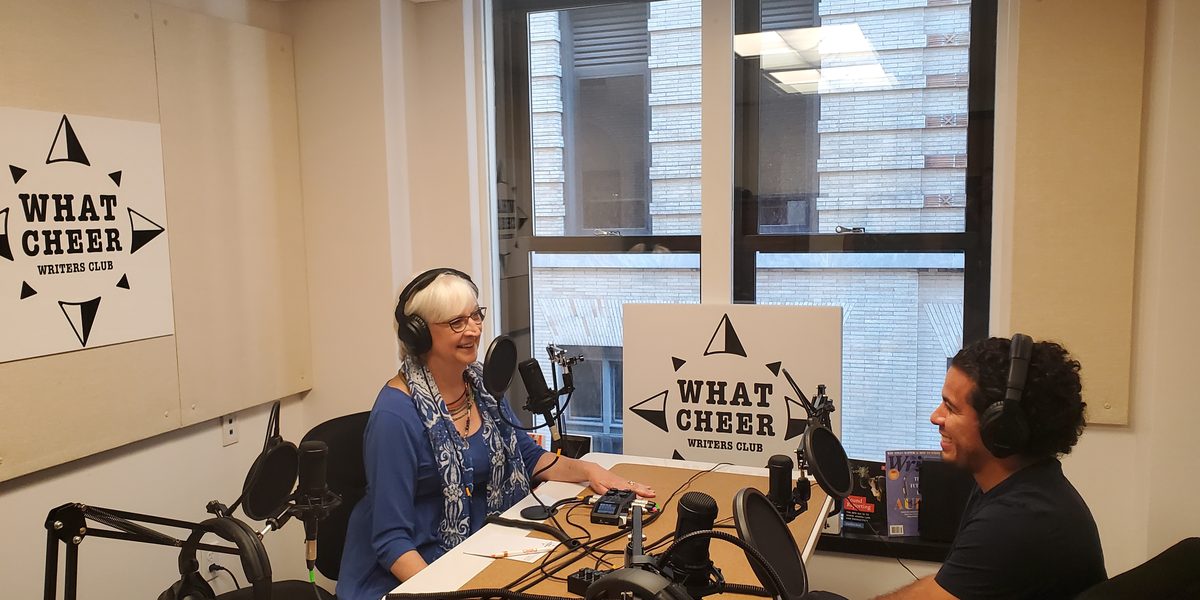
This is the biggest genre by volume and the most inconsistent by quality, because it is the easiest to make. Two people talking can be electric or it can be an hour of throat-clearing. The variable that matters is not the guest list; it is the host. A great interviewer prepares deeply, asks short questions, and gets out of the way. A weak one treats the guest as a prop for their own riffing. You will know within fifteen minutes which kind you have.
Context-wise, conversation shows are the most forgiving genre in podcasting. They tolerate interruptions, survive missed minutes, and pair beautifully with chores, errands, and walks. If your listening life is fragmented, this genre should anchor it.
Narrative Nonfiction and Documentary Series
Think of these as documentaries for your ears: history told as story, science unpacked through characters, business sagas and cultural deep-dives with narration, archival tape, and score. When this genre is good, it is the best thing in audio, full stop — immersive in a way that makes you forget you are learning. It is also the most demanding. Miss five minutes and you have lost a thread the producers spent months weaving.
Give these shows your best attention windows: long drives, flights, uninterrupted walks. They are wasted on dishwashing. And because production quality varies enormously, judge by the first episode's sound and structure — a show that opens with confident storytelling almost always sustains it, while one that opens flabby rarely tightens up.
Comedy and Panel Shows
Comedy podcasts run on chemistry rather than structure, which makes them nearly impossible to evaluate from a description and instantly obvious in the listening. Either the hosts' dynamic clicks with you within an episode or two, or it never will — do not grind through ten hours waiting for a friendship to form. When it does click, though, no genre earns loyalty like this one. Regular listeners describe these shows, accurately, as hanging out with friends who never have a bad day.
These are also the ideal low-stakes filler: gym sessions, cooking, tidying, any moment when you want company more than content. Just be aware the genre is habit-forming precisely because it is frictionless, and it can quietly crowd out everything else in your feed.
Educational and Explainer Shows
Somewhere between a lecture and a magazine feature, this genre covers science, history, language, money basics, psychology, and every niche hobby you can name. The strong entries respect your time: one concept, well told, in under an hour. The weak ones mistake rambling for depth. A reliable quality tell is whether the show has a shape — a question posed at the top and genuinely answered by the end — versus hosts wandering through a topic they skimmed that morning.
Fit these into moments when your brain is fresh but your hands are busy: morning routines, commutes, exercise. And embrace the genre's secret superpower — episode independence. Most explainer shows require no serialized commitment, so your feed can hold five of them and you simply pick by topic and mood.
Fiction and Audio Drama
The medium's oldest form, reborn: scripted stories with full casts, effects, and sound design, spanning horror, science fiction, mystery, comedy, and romance. Modern audio drama at its best is cinema with the picture removed, and horror in particular thrives here — sound reaching your imagination directly is scarier than most screens manage. The genre asks the same price as narrative nonfiction: real attention, headphones ideally, and episodes taken in order.
Audio drama remains the most under-sampled genre among casual listeners, mostly because people forget it exists. If you love fiction in any other format, sampling one acclaimed audio drama is among the highest-upside experiments in podcasting. Start with a short, complete miniseries rather than a sprawling multi-season saga; a contained story lets you judge whether the form works for you without a heavy commitment, and if it clicks, the genre's deeper catalog will be waiting. Anthology-style shows are another gentle entry point, since each episode stands alone and a weak installment costs you nothing.
Match the Genre to the Moment
The meta-skill that separates satisfied listeners from frustrated ones is pairing genre with context. Attention is the currency; spend it deliberately.
- Commutes and long drives: serialized true crime, narrative nonfiction, audio drama — the attention-hungry genres.
- Chores and errands: conversation shows and comedy, which forgive every interruption.
- Workouts: comedy or high-energy interview shows; anything narrative gets shredded by rep-counting.
- Winding down: gentle explainers or slow interview shows; save the grisly investigations for daylight.
- Deep focus hours: nothing with words — this is the one moment podcasts genuinely do not fit.
Sample Ruthlessly, Subscribe Slowly
Discovery itself deserves a system, because the default — subscribing to whatever anyone mentions — produces a bloated feed you resent. Use the three-episode audition: one recent episode to judge the current state of the show, one acclaimed back-catalog episode to judge its ceiling, and one ordinary episode to judge its floor. If the floor is tolerable and the ceiling excites you, subscribe. If you find yourself checking the remaining time during all three, delete without guilt.
Keep the subscription list small enough that a new episode feels like an event rather than a chore. A feed is a diet, not a collection — five shows you finish beat twenty-five you skim. And revisit the roster seasonally; shows age, hosts drift, and your own taste moves more than you think. A quarterly ten-minute cull keeps the whole system honest.
Final Thoughts
The podcast world rewards listeners who treat it like a map instead of a slot machine. Know what each genre is for, assign it to the moments it serves best, audition shows in threes, and keep the feed lean. Do that and the medium's overwhelming abundance flips from a problem into the whole point: whatever hour of your day needs filling, and whatever mood you bring to it, there is a genre built precisely for that gap — and now you know which one.