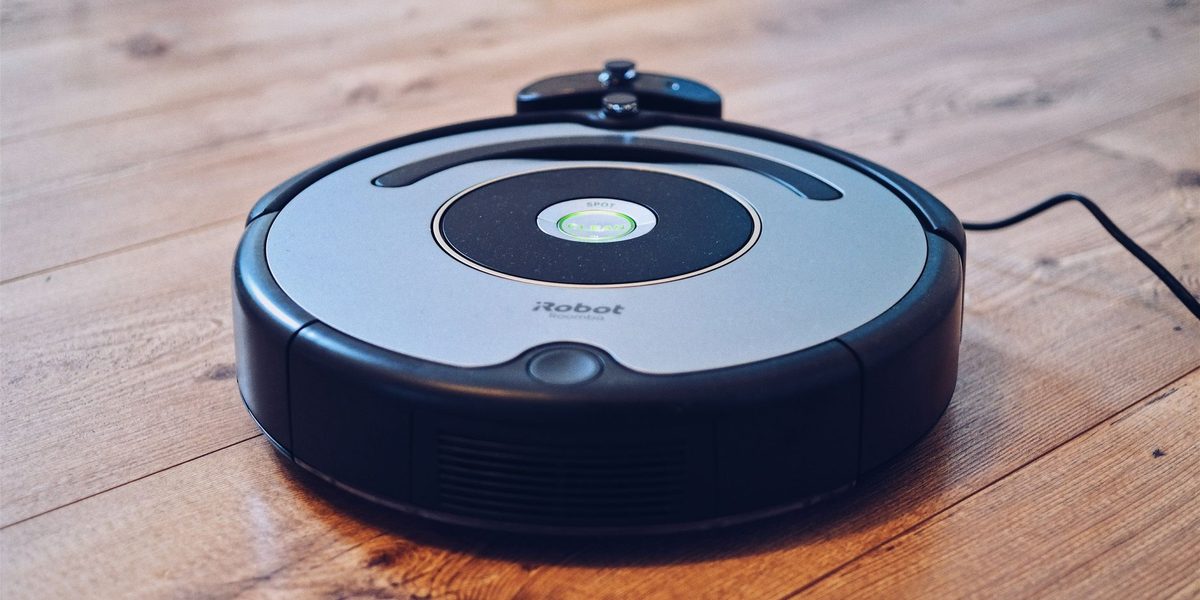
Few gadgets split opinion like the robot vacuum. Owners either describe them as the best purchase they have ever made or as an expensive disc that eats charging cables and gets stranded under the couch. Both camps are telling the truth, because whether a robot vacuum is worth it depends far less on the robot than on your home, your floors, and your expectations. This is a category where the honest answer is genuinely it depends, but it depends on factors you can evaluate before spending a cent. Here is a fair look at what these machines actually deliver, where they fall short, and how to tell which camp you will end up in.
What Robot Vacuums Actually Do Well
The core value of a robot vacuum is not deep cleaning. It is frequency. A robot that runs every day or two keeps dust, crumbs, and pet hair from ever accumulating, which means your floors sit at a consistent level of clean that most people never achieve with a weekly manual vacuum session. That steady maintenance is the entire pitch, and for the right household it is transformative. Pet owners in particular tend to become believers quickly, because daily hair pickup is exactly the kind of tedious, repetitive chore robots excel at.
They also clean places you rarely bother with. Under beds, under sofas, and along baseboards get attention every single run, and many owners are genuinely shocked by what the bin collects from areas that looked clean. The psychological benefit matters too: floors that always feel presentable reduce the background stress of keeping a home tidy.
Where They Fall Short
A robot vacuum is not a replacement for a real vacuum, and any purchase made on that assumption ends in disappointment. Suction power, even on strong models, cannot match a decent upright or canister vacuum on medium or thick carpet. Edges, corners, and stairs remain manual territory. Robots cannot move a pile of laundry, lift a rug corner that folded over, or make a judgment call about the difference between debris and something precious.
Then there is the pre-cleaning ritual. Robots need a floor that is reasonably clear of cables, socks, shoelaces, and small toys. Households with kids or craft hobbies quickly learn that the robot demands a light tidy-up before every run. Some owners find that this ritual actually nudges them toward tidier habits and consider it a feature. Others find that a vacuum requiring you to clean before it cleans defeats the point. Know which person you are before you spend, because no feature list changes it.
Your Home Matters More Than the Robot
The single best predictor of satisfaction is your floor plan. Robot vacuums thrive in homes with mostly hard flooring or low-pile carpet, open layouts, and a single level. They struggle with thick rugs, high thresholds between rooms, dark carpets that confuse drop sensors on some models, and forests of chair legs. Multi-level homes mean either carrying the robot between floors or accepting that it only maintains one level.
Before buying, walk through your home at ankle height, mentally. Count the cable clusters, the rug fringe, the tight furniture gaps, the cords behind the media console. Every one of those is a place a robot can tangle, and the number of trouble spots you count is roughly proportional to how often you will be rescuing the machine instead of being helped by it.
The Features That Actually Matter
Spec sheets in this category are dense, but only a few features meaningfully separate a satisfying robot from a frustrating one:
- Smart mapping and navigation: robots that learn your floor plan clean in orderly rows, resume after charging, and let you target or exclude specific rooms. Random-bounce navigation on cheaper models wastes battery and misses areas.
- No-go zones: the ability to draw virtual boundaries around pet bowls, cable areas, and delicate furniture solves most stranding problems.
- Self-emptying base: a dock that empties the robot's small bin into a larger bag turns a chore you do every run into one you do occasionally. For pet owners this is the feature most worth paying for.
- Brush design: rubber rollers handle hair with less tangling than bristle brushes, which matters enormously in homes with long-haired people or shedding pets.
- Adequate suction with carpet boost: enough power that the robot notices rugs and works harder on them.
Features that sound impressive but rarely change the experience include voice assistant integration beyond basic start and stop, cameras that let you drive the robot around, and mopping attachments on combination units, which on most models amount to dragging a damp cloth and should not be confused with actual floor washing.
The Maintenance Nobody Mentions
Robot vacuums are not fire-and-forget appliances. Brushes need dehairing, filters need cleaning, sensors need wiping, and wheels collect wrapped fibers. Expect a few minutes of upkeep each week and a deeper cleaning session monthly. Skip it and performance degrades quietly until the robot seems broken. Consumable parts like filters, side brushes, and bags for self-emptying docks are ongoing costs and worth checking for availability before committing to any model.
None of this is difficult, but it recalibrates the value question. You are not eliminating floor care; you are trading daily vacuuming for occasional machine maintenance. For most people that is still a wildly favorable trade, but it is a trade, not magic.
Who Should Buy One, and Who Should Not
A robot vacuum earns its keep if you have pets that shed, mostly hard floors or low-pile carpet, a reasonably tidy single level, and a genuine dislike of frequent vacuuming. It is especially valuable for people with mobility issues or back pain, for whom it is less a luxury than an accessibility tool, and for busy households where floors are the chore that always slips.
Skip it, or at least lower your budget significantly, if your home is a maze of cables and clutter, if you have thick carpet throughout, if you live across multiple small levels, or if you actually find vacuuming satisfying and do it often anyway. In those homes, a quality stick vacuum delivers more cleaning per dollar and none of the babysitting.
When a Regular Vacuum Still Wins
Even in robot-friendly homes, keep a conventional vacuum. You need it for stairs, car interiors, furniture, mattresses, edges, and the periodic deep clean that carpet requires. The winning setup for most households is a mid-tier robot handling daily maintenance plus a manual vacuum for weekly or biweekly detail work. Framed that way, the robot does not have to be perfect; it just has to make the manual sessions shorter and rarer, which even modest models accomplish. Owners who report the highest satisfaction almost universally describe this hybrid arrangement rather than full replacement, and setting that expectation on day one is the difference between delight and a one-star review written in frustration.
Final Thoughts
So, are robot vacuums worth it? For homes that suit them, yes, and emphatically so for pet owners on hard floors, where the daily maintenance cleaning genuinely changes how the home feels. For cluttered, heavily carpeted, or multi-level homes, the money is better spent on a great manual vacuum. Judge your floor plan honestly, buy mapping and a self-emptying dock if you buy anything, and treat the robot as a maintenance tool rather than a deep cleaner. Match the machine to the home it will actually live in, and this is one of the rare gadgets that quietly earns its place every single day.