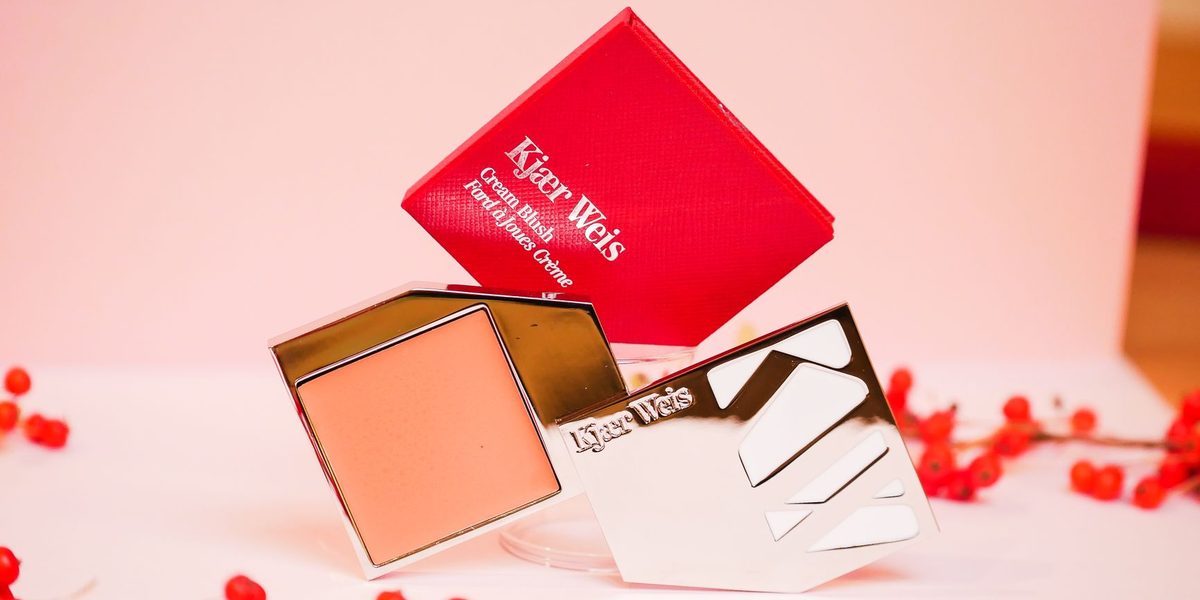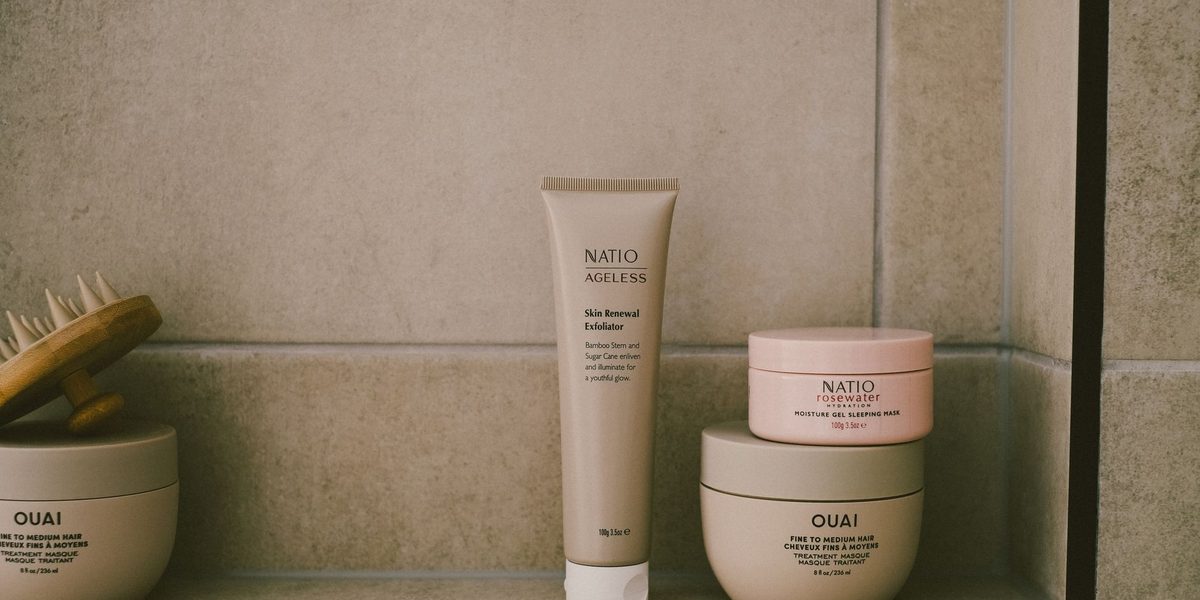
Skincare has swung between two gospels. For years, the elaborate routine reigned: essences, ampoules, seven serums deep, each step lovingly layered in ritual order. Then the backlash arrived with its own hashtag-ready name — skinimalism — preaching that three good products beat ten mediocre ones and that your moisture barrier would like a word. Both philosophies claim the same prize: better skin. Both have thriving industries behind them, which should make you suspicious of both. So which approach actually wins — the curated shelf or the crowded one? The honest answer starts with an uncomfortable fact about where results really come from.
The Uncomfortable Fact First
Strip skincare to its evidence-backed core and the result is embarrassingly short: a gentle cleanser, a moisturizer suited to your skin, and daily sunscreen. That trio does the overwhelming majority of the work any routine performs — protecting the barrier, maintaining hydration, and preventing the sun damage that drives most visible aging. Everything else in the aisle is refinement on top of that foundation: sometimes valuable refinement, often redundant, occasionally counterproductive.
Neither camp loves this fact. It undercuts the maximalists, because steps four through ten compete for a small slice of remaining benefit. It also undercuts the minimalist industry, which happily sells the same three functions across five artfully sparse products. Keep the fact in view, though, and the whole debate becomes clearer: the argument is never about steps one through three — it's about whether the additions earn their place.
The Honest Case for More Steps
Multi-step routines exist because targeted actives genuinely work, and different targets want different tools. A brightening antioxidant in the morning, an exfoliating acid a few nights a week, a retinoid on the others, a richer occlusive in winter — for someone managing multiple real concerns, that arsenal delivers results a three-product routine can't reach. The layered approach also allows gentler concentrations of several things rather than one aggressive do-everything product, which suits some skins beautifully.
And the ritual defense deserves respect instead of eye-rolling: for many devotees, the evening routine is ten minutes of enforced calm in a day that offers none. Consistency is the single most underrated active ingredient in skincare, and people are consistent with routines they enjoy. A pleasurable ten-step ritual performed nightly will outperform a rational three-step routine performed whenever.
The Honest Case for Fewer
The minimalist argument is not just aesthetic decluttering — it's damage control. The more products in rotation, the higher the odds of ingredient conflicts, cumulative irritation, and the classic modern skin complaint: a barrier so over-exfoliated and over-treated that everything stings and nothing works. Dermatology waiting rooms see a steady parade of "sensitive skin" that is actually over-routined skin. When ten products are in play and something goes wrong, identifying the culprit means a weeks-long elimination puzzle; with three products, the suspect list is short.
Minimalism also wins the sustainability audit — of attention, money, and shelf space. Every additional step is a recurring cost and a small tax on your morning, and skincare abandoned half-used in drawers is the industry's most reliable revenue stream. Three products used until empty beat ten products used until bored, on both skin results and bank balance.
Where Layering Actually Backfires
The multi-step approach fails in predictable, avoidable ways, and naming them is more useful than another round of philosophy:
- Stacked exfoliation: an acid toner plus an exfoliating serum plus a retinoid plus a scrub is not diligence, it's abrasion with extra steps — the most common self-inflicted injury in skincare.
- Conflicting actives: some ingredients destabilize or irritate when layered in the same session; complexity multiplies these collisions faster than most users can track.
- Dilution of the essentials: a startling number of ten-step devotees are inconsistent with the one product that matters most — sunscreen — because the routine's bulk crowds out its foundation.
- Attribution fog: with ten variables changing, nobody can say which product deserves credit or blame, so shelves grow on faith rather than evidence.
Who Genuinely Suits Which Camp
The skin itself casts a vote. Reactive, dry, eczema-prone, and rosacea-prone skin almost always fares better with fewer, blander products — for these faces, minimalism is less a trend than a treatment plan. Resilient, oily, concern-rich skin — dealing simultaneously with congestion, uneven tone, and early lines — can genuinely exploit a larger toolkit, provided it's introduced sanely. Life stage matters too: a teenager needs three products and restraint; someone juggling several concerns at once may earn their fourth through seventh steps honestly.
Temperament casts the other vote. The person who relishes researching ingredients and enjoys the ritual will use a bigger routine consistently and notice what works; the person who wants skincare handled in ninety seconds will abandon anything elaborate by the second week. A routine's theoretical perfection is irrelevant if it doesn't survive contact with your actual Tuesday.
The Sensible Middle: Build Up, Never Pile On
The approach that quietly beats both ideologies is sequenced, evidence-gated growth. Start at the core three and run them consistently for a month. Then — if a specific concern persists — add one product targeting it, introduced alone, given several weeks to prove itself before anything else changes. Keep what visibly earns its place; retire what doesn't, no matter how beloved its reviews. Most people following this honestly plateau at four to six products, which is where the results-per-step curve flattens for the average face.
Two guardrails complete the system. First, additions should answer a named concern, not a marketing category — "my cheeks stay flaky through winter" justifies a product; "everyone has an essence" does not. Second, anything that causes persistent stinging, redness, or breakouts gets dropped immediately, and concerns that survive a sensible routine deserve a dermatologist's eyes rather than an eleventh product. The professional consult is routinely cheaper than the shelf it replaces.
The Money Question Both Camps Dodge
Budget deserves plainer treatment than either philosophy gives it. Maximalism's cost problem is obvious — more steps, more bottles, more replacement cycles — but minimalism developed its own quiet luxury tier, where a spartan routine of three exquisitely packaged products costs more than a drugstore ten-step. Step count and spending are separate dials, and conflating them is how both aesthetics sell product. The evidence-friendly move is to spend unevenly: sunscreen is the product you'll use most and should genuinely like, moisturizer rewards mid-range quality, and cleanser is on your face for thirty seconds — the step where saving money costs you least. Actives deserve middle-tier spending with attention to formulation rather than prestige, because in serums especially, price tracks branding far more reliably than it tracks results.
The other dodge is time-cost. A routine is a recurring appointment with yourself, and its realistic price includes the mornings you're late and the nights you're exhausted. Routines fail at their weakest moment, not their best one — which is why the wisest builds include a written-down minimum version: the two or three steps you commit to on the worst nights, so a bad week degrades the routine instead of deleting it. Consistency at four steps beats perfection at nine performed thrice weekly, on every measure that shows up in a mirror.
Final Verdict
Minimalism wins the general case — not because fewer is magically better, but because the core three do most of the work, and every step beyond them must earn its place with visible results rather than vibes. The multi-step routine wins its legitimate niches: multiple genuine concerns, resilient skin, and owners who actually enjoy the process enough to stay consistent. The real loser is the unexamined middle — eight products acquired by trend, none evaluated, sunscreen optional. Count your products, and then ask the only question that matters in either camp: can I say what each one has done for my face lately? Keep the ones with answers.