The beauty industry has officially run out of face, and it has found new territory: your scalp. Scalp scrubs, scalp serums, scalp oils, scalp massagers, pre-wash treatments, scalp sunscreens — an entire skincare routine has migrated north, wrapped in the slogan that scalp care is the new skincare and that healthy hair starts at the root. Like most trends, it's built on a genuinely true premise, stretched to cover a suspiciously large number of products. So let's give the scalp care movement the honest audit it deserves: what's real, what's shampoo in a smaller bottle, and whose scalp actually needs any of this.
The True Premise Underneath the Trend
Start with the part the marketing gets right: the scalp is skin — oil-producing, shedding, sensitive-to-buildup skin — and hair genuinely does emerge from follicles whose neighborhood conditions matter. A chronically congested, irritated, or flake-prone scalp is an unhappy place, and unhappy scalps show their feelings: itching, flaking, dullness at the roots, hair that seems oily and lifeless at once. Anyone who has experienced a genuinely irritated scalp knows it's not a cosmetic footnote.
The trend's overreach is the leap from that premise to the conclusion that every scalp needs a dedicated routine. Most scalps, washed reasonably often with a decent shampoo, are already fine — self-regulating, self-shedding, and profoundly uninterested in a serum. The scalp care question is never whether scalps matter; it's whether yours currently has a problem that shampoo isn't solving. That's a much smaller market than the aisle suggests.
Scalp Scrubs and Exfoliants: The Conditional Yes
Physical scrubs and chemical exfoliating treatments target buildup — the accumulated film of styling products, dry shampoo, sebum, and mineral deposits that shampoo alone sometimes leaves behind. For heavy product users, dry-shampoo devotees, and infrequent washers, an occasional exfoliating treatment delivers something real: a cleaner-feeling scalp, roots with more lift, and relief from that coated sensation. The chemical versions generally beat gritty physical scrubs, which are easy to overwork against skin you can't see.
The conditional part: frequency discipline is everything. A scalp is not a countertop, and scrubbing it weekly-plus invites the classic overexfoliation spiral — irritation, flaking that looks like the problem you were treating, and a scalp that produces more oil in self-defense. Once or twice a month suits most users who need it at all; and if you don't use heavy products or dry shampoo, you likely don't need it, full stop.
Scalp Serums and Oils: The Mixed Bag
Serums are where the trend's skincare cosplay peaks — droppers, actives, and per-milliliter prices that would make a face serum blush. The honest sorting: soothing and hydrating serums can genuinely comfort a tight, flaky, irritated scalp, the way a good moisturizer comforts irritated skin anywhere. Density and growth-adjacent promises deserve far more skepticism — topical cosmetics operate within narrow limits, results take months where they come at all, and genuine hair-loss concerns belong with a professional, not a trend product. If shedding or thinning worries you, a dermatologist visit outranks any serum on this shelf, and going early beats going eventually.
Pre-wash oils are the trend's oldest borrowed idea — oiling the scalp and lengths before washing is a practice with deep roots in many haircare traditions, and it works as advertised for dry scalps and coarse, curly, or textured hair: softer feel, gentler detangling, a calmer wash day. The caveat mirrors the serum's: oil is food for the fungus involved in common dandruff, and flake-prone scalps often do worse under an oil ritual, not better. Know which scalp you have before anointing it.
Massagers and Rituals: Cheap, Pleasant, Mildly Useful
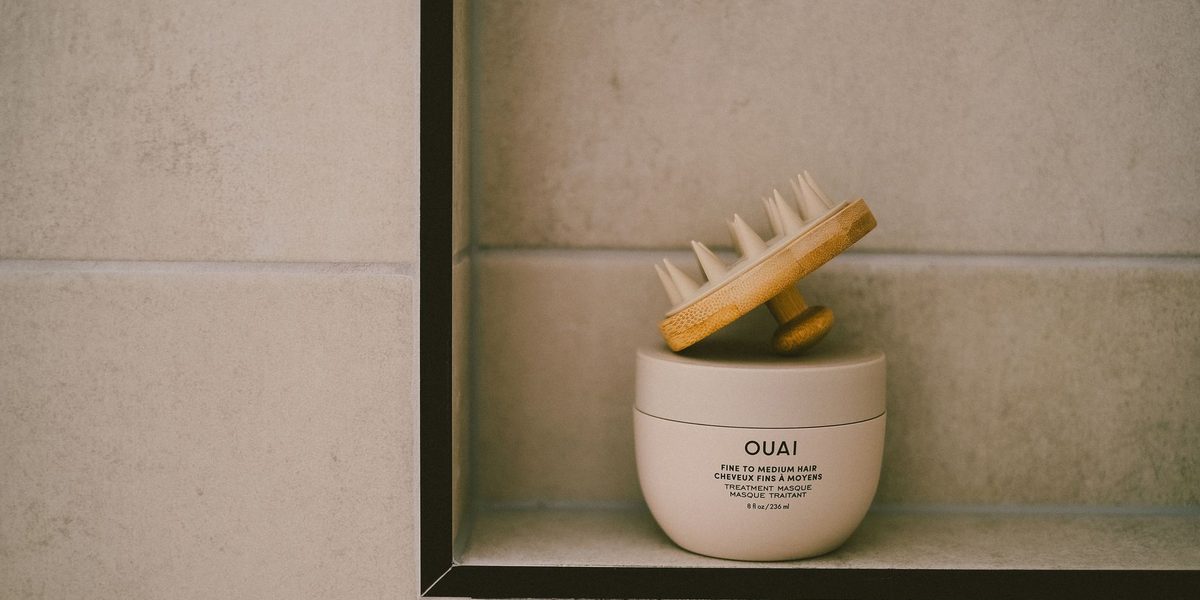
The scalp massager — that little silicone claw — is the trend's most defensible object. It makes shampooing more thorough and more pleasant, helps distribute product, and delivers a genuinely relaxing scratch that fingertips half-commit to. Circulation claims are decorated versions of "massage feels nice," but a tool that makes you wash better and enjoy it more earns its modest price without needing mythology. As with everything scalp-adjacent, gentleness wins — vigorous scraping with any tool trades short-term satisfaction for irritation.
The broader ritual layer — masks, steams, multi-step scalp nights — sits squarely in the pleasure-purchase category. Harmless, enjoyable, occasionally soothing, and in no way required for hair or scalp health. Buy ritual as ritual, and it never disappoints; buy it as treatment, and it usually does.
Who Actually Needs Scalp Care
- Genuine beneficiaries: heavy styling-product and dry-shampoo users (occasional exfoliation), dry-scalp and tight-feeling scalps (soothing serums, pre-wash oils), infrequent washers, and coarse or textured hair types with drier roots.
- Probably fine without any of it: anyone with an uncomplaining scalp, a regular wash routine, and light product use — which is most people, most of the time.
- Should skip the aisle and see a professional: persistent flaking that treatment shampoos don't calm, redness, soreness, scaling, or notable hair shedding — these are skin and medical conversations, and the trend aisle will happily sell to them anyway.
The Wash-Frequency Variable Everyone Skips
Here's the unglamorous truth hiding under half the trend's testimonials: many scalp complaints are wash-schedule complaints in disguise. The itchy, buildup-coated scalp reaching for a scrub is often simply washing less frequently than its oil production wants — a mismatch that became common as extended wash intervals turned into a badge of hair virtue. Longer stretches between washes genuinely suit some hair, particularly dry, coarse, and textured types; they suit oily, fine-haired scalps far less, and no serum bridges that gap as effectively as an extra wash day. Before buying anything from this aisle, the cheapest experiment available is two weeks of washing slightly more often, with a bit more attention to actually massaging the scalp rather than just the hair. A remarkable number of scalp-care journeys end right there.
The reverse experiment matters too: the tight, flaky, straw-dry scalp may be over-washed, over-heated, or reacting to a harsh formula, and the fix is subtraction — a gentler shampoo, cooler water, fewer sessions — rather than a soothing serum layered over an ongoing insult. In both directions, the principle is the same one that governs skincare proper: adjust the routine before supplementing it. Products earn their place fixing what a sensible routine can't, and the scalp aisle's quiet dependence on nobody running these experiments first is its least flattering feature.
The Skincare Creep Problem
Zoom out and scalp care is the clearest recent case of skincare creep: the industry's pattern of declaring a new body zone under-served, importing the full facial routine to it, and pricing accordingly. The tell is the product architecture — cleanser, exfoliant, serum, treatment, tool — mapped one-to-one from the face aisle, regardless of whether scalp physiology asked for it. Scalps spent millennia being adequately maintained by washing; the discovery that they need a five-step regimen coincided suspiciously with flat sales growth elsewhere. None of that makes individual products fraudulent — this article has endorsed several — but it explains why the shelf is so much bigger than the need. The winning consumer posture is the same one that works everywhere in beauty: buy for a named problem you actually have, one product at a time, and let results renew the subscription.
Final Verdict
Scalp care earns a split decision. For the genuinely afflicted — the buildup-coated, the dry and itchy, the product-heavy — a targeted pick or two from this trend delivers real, noticeable relief, and the massager is a cheerful little upgrade for nearly anyone. For everyone else, the verdict is the quiet one the aisle hopes you won't hear: your shampoo was already scalp care, your scalp was already fine, and the most valuable products in the category are the ones you decline. Treat problems, not trends; escalate persistent ones to a professional; and let your scalp's actual complaints — not the shelf's ambitions — write the routine.