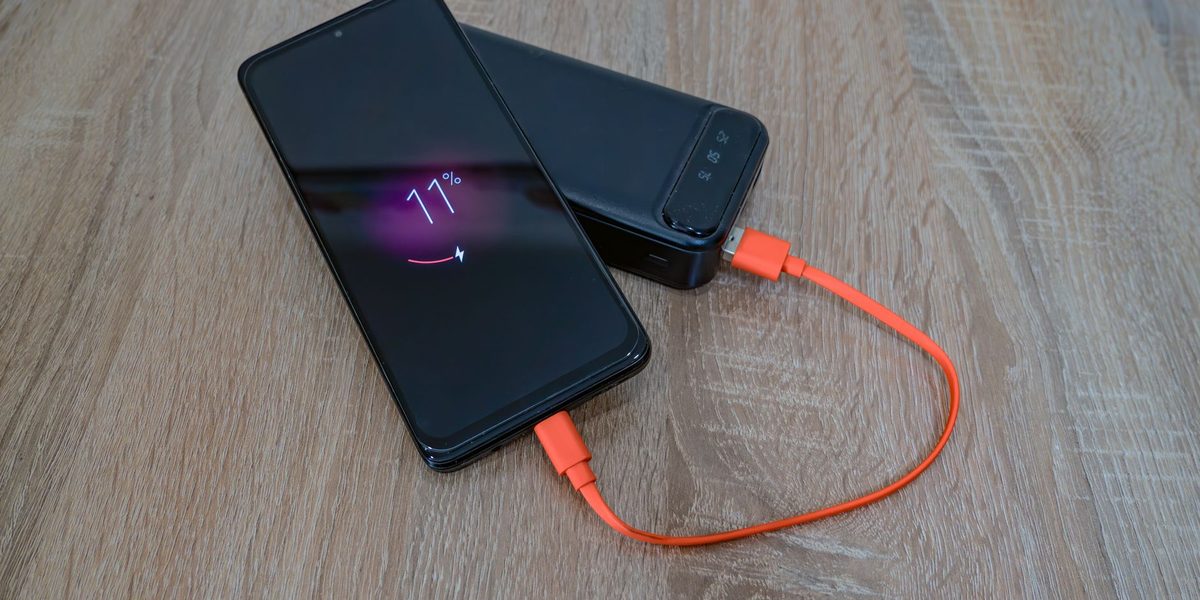
Your smartphone battery is one of the most important — and most misunderstood — components in your device. Nearly every phone owner makes at least one of these common charging mistakes, often without realizing the long-term damage being done. Understanding how lithium-ion batteries actually work can help you extend your phone's lifespan, keep your battery healthier for longer, and even save money on costly replacements.
Mistake #1: Charging Your Phone to 100% Every Time
It feels satisfying to see that fully charged icon, but consistently charging your phone to 100% is actually one of the worst habits you can develop for battery longevity. Most modern smartphones use lithium-ion (Li-ion) batteries, and these batteries experience the most stress at the extreme ends of their charge range — both fully charged and fully depleted.
Why Full Charges Cause Damage
When a lithium-ion battery reaches 100%, it enters a state called "trickle charging" to maintain that level. This keeps the battery under constant voltage stress, which accelerates a chemical process called electrolyte oxidation. Over time, this degrades the battery's ability to hold a charge at all.
What You Should Do Instead
Battery experts and smartphone manufacturers, including Apple and Samsung, recommend keeping your battery charge between 20% and 80% for optimal health. Many newer phones now include built-in features — like Apple's "Optimized Battery Charging" and Samsung's "Protect Battery" mode — that automatically stop charging at 80% to help preserve battery longevity.
Quick Fact: Apple states that its batteries are designed to retain up to 80% of their original capacity after 500 complete charge cycles. Staying in the 20–80% range can significantly extend the number of healthy cycles your battery achieves.
Mistake #2: Letting Your Phone Die to 0% Regularly
Many people grew up with older nickel-cadmium (NiCd) batteries in devices that actually benefited from being fully drained before recharging — a process called "memory effect conditioning." However, lithium-ion batteries operate on a completely different chemistry, and fully discharging them is genuinely harmful.
The Deep Discharge Problem
Every time a lithium-ion battery drops to 0%, it undergoes what is known as a "deep discharge." This forces the battery's chemistry to work in an extreme low-voltage state, which can cause permanent damage to the battery cells over time. Repeated deep discharges cause a measurable reduction in total battery capacity.
The Partial Charge Advantage
Lithium-ion batteries actually prefer shallow, partial charges over full charge cycles. Plugging your phone in for a short time — say, going from 40% to 70% — is far less taxing on the battery than running it down to 0% and charging back to 100%. This is a fundamental difference from older battery technologies and is widely misunderstood.
Quick Fact: A lithium-ion battery drained to 0% counts as a full discharge cycle. Keeping your phone above 20% at all times can double or even triple the usable lifespan of your battery.
Mistake #3: Using Cheap, Uncertified Chargers and Cables
With chargers readily available online for a fraction of the price of official ones, it is tempting to opt for the budget option. However, using cheap, uncertified charging accessories is one of the most dangerous and damaging mistakes a phone owner can make — both for the device and for personal safety.
The Risks of Counterfeit Chargers
Uncertified chargers often lack proper voltage regulation, meaning they can deliver inconsistent or excessive power to your phone. This can cause overheating, damage internal battery cells, and in worst-case scenarios, result in fires or electric shock. Regulatory organizations like Underwriters Laboratories (UL) and the USB Implementers Forum (USB-IF) certify chargers that meet strict safety standards — certifications that cheap knockoffs often skip entirely.
How to Identify a Safe Charger
Look for chargers and cables that carry certification marks such as UL Listed, MFi (Made for iPhone), or USB-IF certified. Purchasing from reputable brands or directly from your phone manufacturer is the safest route. Certified third-party brands like Anker, Belkin, and Aukey are also widely respected and tested for safety compliance.
Quick Fact: In a study conducted by the Chartered Trading Standards Institute, 98% of counterfeit chargers tested failed basic safety assessments, and many posed serious fire and electrocution risks.
Mistake #4: Leaving Your Phone Plugged In Overnight
Plugging in your phone before bed and unplugging it in the morning seems like a perfectly logical routine — and it is incredibly common. However, leaving your phone plugged in for extended periods after it reaches full charge contributes to the same trickle-charge stress described in Mistake #1, but for hours at a time, night after night.
Heat Is the Real Enemy
Overnight charging also raises another serious concern: heat. Lithium-ion batteries are extremely sensitive to heat, and charging generates heat by nature. Leaving your phone charging while tucked under a pillow, inside a case, or in a poorly ventilated spot dramatically increases the temperature around the battery, accelerating degradation and even creating a potential fire hazard.
Smarter Overnight Strategies
If overnight charging is unavoidable for your lifestyle, make sure to enable your phone's built-in battery protection features. Place your phone on a hard, flat surface — never under a pillow or blanket — and remove thick protective cases if your device tends to run warm while charging. Some users also choose to charge to around 80% before bed and simply start the day with less than a full charge, accepting a slight trade-off for better long-term battery health.
Quick Fact: Battery University, a widely cited resource on battery research, reports that storing or regularly keeping a lithium-ion battery at 100% charge at room temperature causes a measurable capacity loss of roughly 20% over a single year.
Mistake #5: Charging in Extreme Temperatures
Temperature is one of the most critical — and most overlooked — factors in battery health. Charging your phone in environments that are too hot or too cold can cause both immediate performance issues and permanent, long-term battery damage.
Heat Damage During Charging
Charging already generates internal heat within the battery. When you combine that with an already hot environment — such as a car on a summer day, direct sunlight, or a hot surface — the battery temperature can spike to dangerous levels. Apple specifically warns that exposing an iPhone to temperatures above 35°C (95°F) while charging can permanently damage battery capacity. Samsung similarly advises keeping devices away from high-heat environments during charging.
Cold Temperatures Are Also Harmful
Cold temperatures present a different but equally problematic issue. When a lithium-ion battery gets too cold — below 0°C (32°F) — its internal resistance increases significantly. This makes charging less efficient and can cause lithium plating, a condition where metallic lithium builds up on the battery's anode. This plating is irreversible and permanently reduces the battery's capacity and safety margins.
The Ideal Charging Temperature Range
Most major smartphone manufacturers recommend charging devices at ambient temperatures between 16°C and 22°C (60°F to 72°F) for the best results. In practical terms, this simply means charging your phone in a normal, room-temperature environment — not in a freezing car, not in direct sunlight through a window, and not on top of a heat vent or radiator.
Quick Fact: According to research from the Idaho National Laboratory, operating or charging a lithium-ion battery at just 45°C (113°F) rather than 25°C (77°F) can reduce the battery's total cycle life by more than 50%.
Final Thoughts: Small Habits, Big Difference
None of these mistakes require expensive solutions or dramatic lifestyle changes to fix. Keeping your charge between 20% and 80%, avoiding extreme temperatures, investing in a certified charger, and using your phone's built-in battery protection settings are all simple, free adjustments that can meaningfully extend the life of your battery.
A healthy battery means better daily performance, longer time between charges, and fewer costly trips to a repair shop for a replacement. Given that a new battery replacement can cost anywhere from $50 to over $100 depending on the device, these small habits are well worth developing.
The technology inside your smartphone is far more sophisticated than most people realize — and treating your battery with a little more care goes a long way toward protecting your investment for years to come.