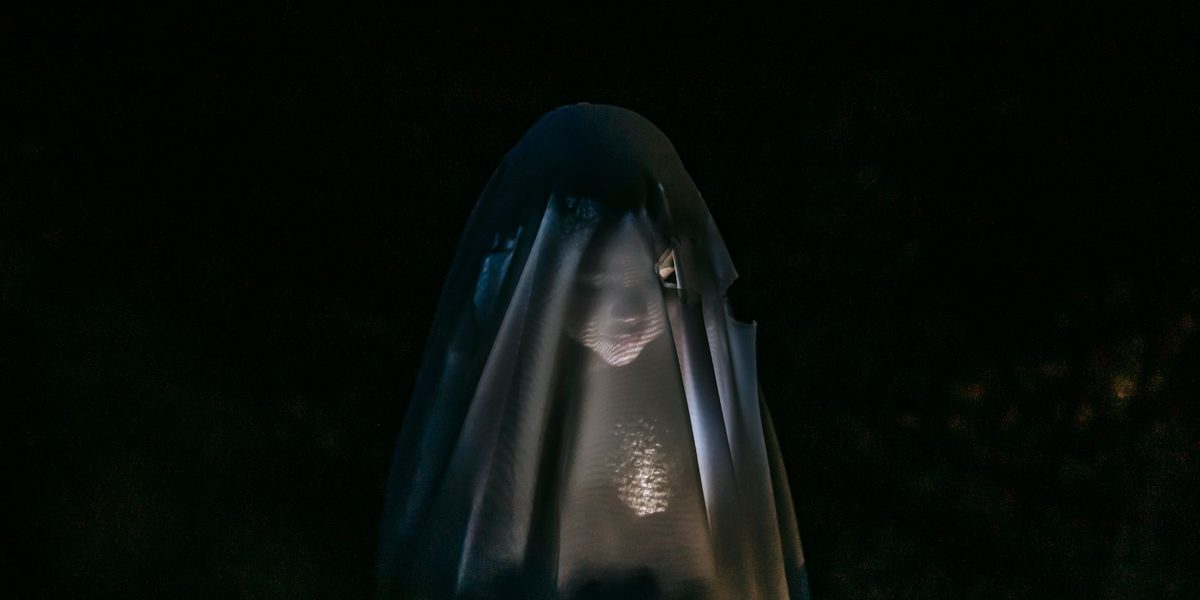
Horror has a marketing problem among the people who would love it most. Millions of viewers assume the genre is a single locked door marked terror — you are either the kind of person who walks through it or you are not — and having once been ambushed by something too intense, they bolt the door forever. The truth is that horror is not a door but a dial, running from candlelit gothic unease all the way to relentless assault, with a dozen distinct subgenres occupying the stops in between. People who claim they cannot do horror almost always mean they cannot do one specific setting of that dial. Finding your setting — and learning how to move it deliberately — is the entire game, and it opens up one of the richest genres in every medium to people who thought it excluded them.
Why We Seek Fear on Purpose
The appeal is worth stating plainly, because it explains the tolerance question. Horror offers controlled danger: real physiological thrill — the quickened pulse, the held breath — inside a frame you fully command. You chose the story; you can pause it; it ends. For many people this works as a pressure valve, displacing the day's shapeless anxieties with a vivid, fictional, finite one, and the relief when the lights come up is half the pleasure. The catch is the word controlled. The mechanism only works when the intensity stays within what you can hold. Exceed it and the valve becomes a faucet — fear that follows you to bed instead of draining away. Tolerance, then, is not courage. It is calibration.
The Intensity Ladder, Rung by Rung
Map the subgenres by what they do to you rather than by their furniture, and a usable ladder appears. On the lowest rungs sits gothic and atmospheric horror: candlelight, old houses, dread that gathers like weather and rarely pounces. It unsettles beautifully and almost never assaults. A step up, supernatural mystery and ghost stories add jolts to the mood — a few genuine scares, cushioned by story and often by melancholy; many of the genre's most beloved works live here. The middle rungs belong to psychological horror, where the threat lives in minds and situations rather than shadows; it trades jump scares for lingering disquiet, which some viewers find easier and others find far harder — know which you are. Above that, monster and creature features deliver big, external, often exhilarating fear that resolves cleanly, while slashers and survival horror run sustained menace with human stakes. The top rungs — relentless intensity and graphic extremity — are specialist territory, honestly labeled and easily avoided.
Off to the side of the ladder sits the genre's unsung gateway: horror-comedy, which lets you experience every convention with a safety net of laughter, and which has converted more scaredy-cats than any other subgenre.
Two clarifications keep the ladder honest. Intensity is not quality — masterpieces and junk exist on every rung, and a quiet ghost story can be a greater film than the loudest gorefest above it. And the rungs measure kind as much as amount: a viewer untouched by monsters may be wrecked by psychological descent, so treat the ladder as a map of flavors first and a measure of strength second.
Find Your Current Rung Honestly
Self-assessment beats bravado, and three questions locate you quickly. First: what happens after the credits? If scary content evaporates by bedtime, your tolerance exceeds your habits and you can climb freely. If it colonizes your night, respect that data. Second: which fear flavor bothers you — the jolt, the dread, or the image? Jump-scare-sensitive viewers thrive in dread-heavy subgenres; imagery-sensitive viewers do better with jolts than with gore; dread-sensitive viewers often love a clean creature feature. Third: what is your relationship with the pause button? Viewers who can step away mid-film hold more intensity than those who white-knuckle straight through.
- Jolt-averse: start gothic and psychological; avoid anything marketed on its scares-per-minute.
- Dread-averse: start with monsters and horror-comedy; skip slow-burn descent narratives.
- Image-averse: favor suggestion-driven classics and ghost stories; the scariest things stay off-screen anyway.
- Sleep-fragile: watch early in the evening, and end the night with twenty minutes of something warm — the palate cleanser is not a joke; it works.
Climb Gradually, and Only If You Want To
Tolerance grows with exposure, which means the ladder is climbable for anyone who cares to climb. The method is unglamorous: pick a rung that excites without overwhelming you, stay there until it feels comfortable, then take one step, not three. Daylight first viewings, company on the couch, and the pause button all lower any rung by half a step, and there is no shame in using every one of them — the genre's most devoted fans all started somewhere, and most of them started scared. Expect an adjustment week after each step up: the first film at a new rung follows you around a little, the third one does not, and that fading is the tolerance actually forming.
The equally important counterpoint: climbing is optional. The lower rungs are not training wheels; they contain some of the finest work the genre has ever produced, and a viewer who settles permanently into atmospheric ghost stories has settled into a rich, complete territory. The goal is finding fear you enjoy, not maximizing fear you endure. Anyone who treats horror tolerance as a status ladder has confused the genre with a contest.
Format Changes Everything
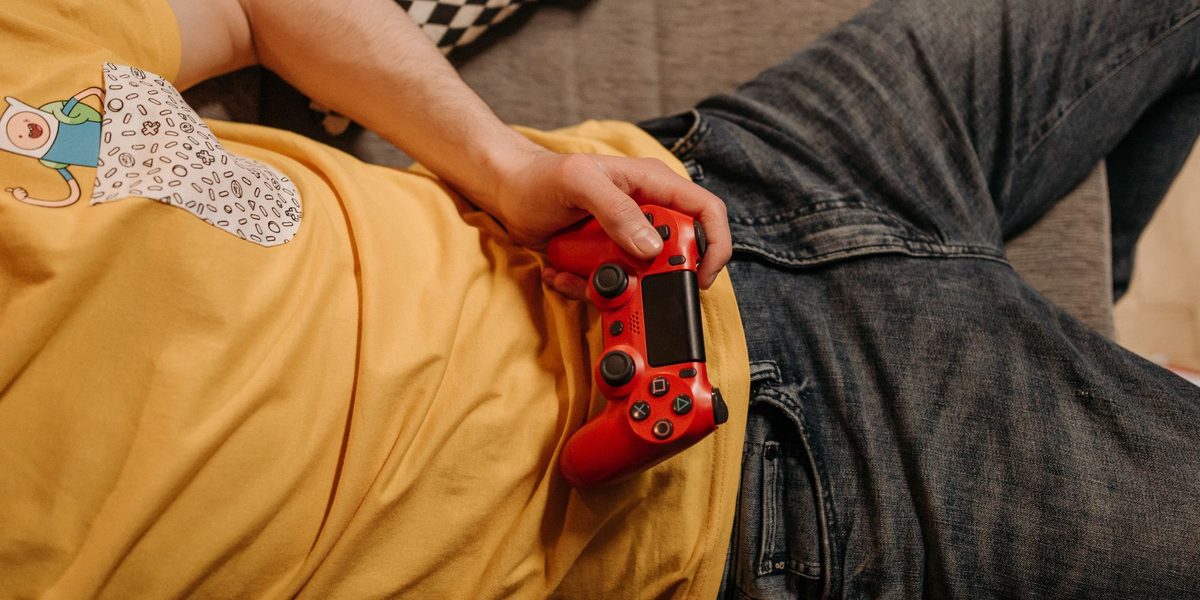
The same story frightens differently depending on the pipe it arrives through, and tolerance planning should account for it. Film is the standard dose: intense but bounded, over in two hours, with the communal option of watching beside someone. Series horror spreads the dread across weeks — individually gentler episodes, but a longer residency in your head; sensitive viewers sometimes find a finished film easier than an unfinished season. Games are the strongest amplifier in the genre: when you hold the controller, you are not watching someone walk down the dark hallway — you are walking, and refusing to walk means the story stops. Expect any horror game to punch two rungs above its film equivalent. Audio horror — podcasts and audio dramas — is the stealth heavyweight: with no screen to blame, your imagination renders every image at personal maximum, and headphones in the dark are the genre's most intense delivery system disguised as its most modest. Prose, by contrast, is the most self-regulating format — your mind shows you only what it can handle, and the reading pace is yours — making horror fiction an underrated on-ramp for the cautious.
Plan the pairing, then: a rung you are testing deserves the gentlest format, and a rung you have mastered can safely meet the amplifiers. The viewer comfortable with ghost-story films who wants a genuine thrill again does not need a nastier film — a headset and the game version of the same fear will do it, and then some.
Final Thoughts
Horror rewards the calibrated viewer like no other genre: the pulse-quickening pleasure is real, the craft at every intensity level is real, and the fear stays a guest instead of a squatter when you match the dose to your actual constitution. So retire the locked-door myth. Find your rung with honest self-assessment, respect the format multipliers, climb slowly if climbing appeals, and settle without apology if it does not. Somewhere on that ladder — probably lower than machismo suggests and higher than your worst ambush memory insists — is a version of the genre built precisely for you, patiently waiting in the dark, meaning you no harm at all.